
ON SERGEJ SOLOVJEV
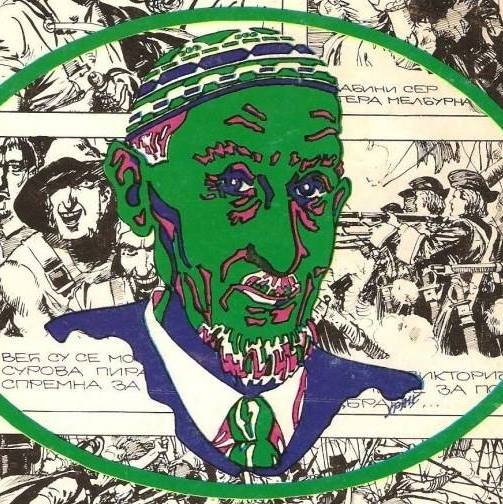
I had the good fortune to meet Sergej Solovjev in Genoa in the 1970s, when he agreed to draw a story of mine. In fact, I should say he painted the pages, because, as the great master he was, he illustrated each panel as if it were a painting.
Sergej was a shy and reserved person who spoke little. And asked for little. But his silences concealed a troubling secret that he did not dare to reveal. We discovered it one night when his comic was about to go to print: my texts did not correspond at all to his drawings. We completely rewrote the dialogue.
Despite having lived in Italy for thirty years, Sergej never fully connected with our language.
Gianni Bono
Origins and Education
Sergej Solovjev was born in 1901 in Russia, in the Kursk region. In 1920, like many of his compatriots, he found refuge in Serbia, where he obtained citizenship in the Kingdom of Yugoslavia. There, he initially worked as a laborer before joining the army, where he became a cavalry officer. At the same time, he cultivated his artistic vocation, graduating from the Academy of Fine Arts in Belgrade.
Artistic Career and Early Success
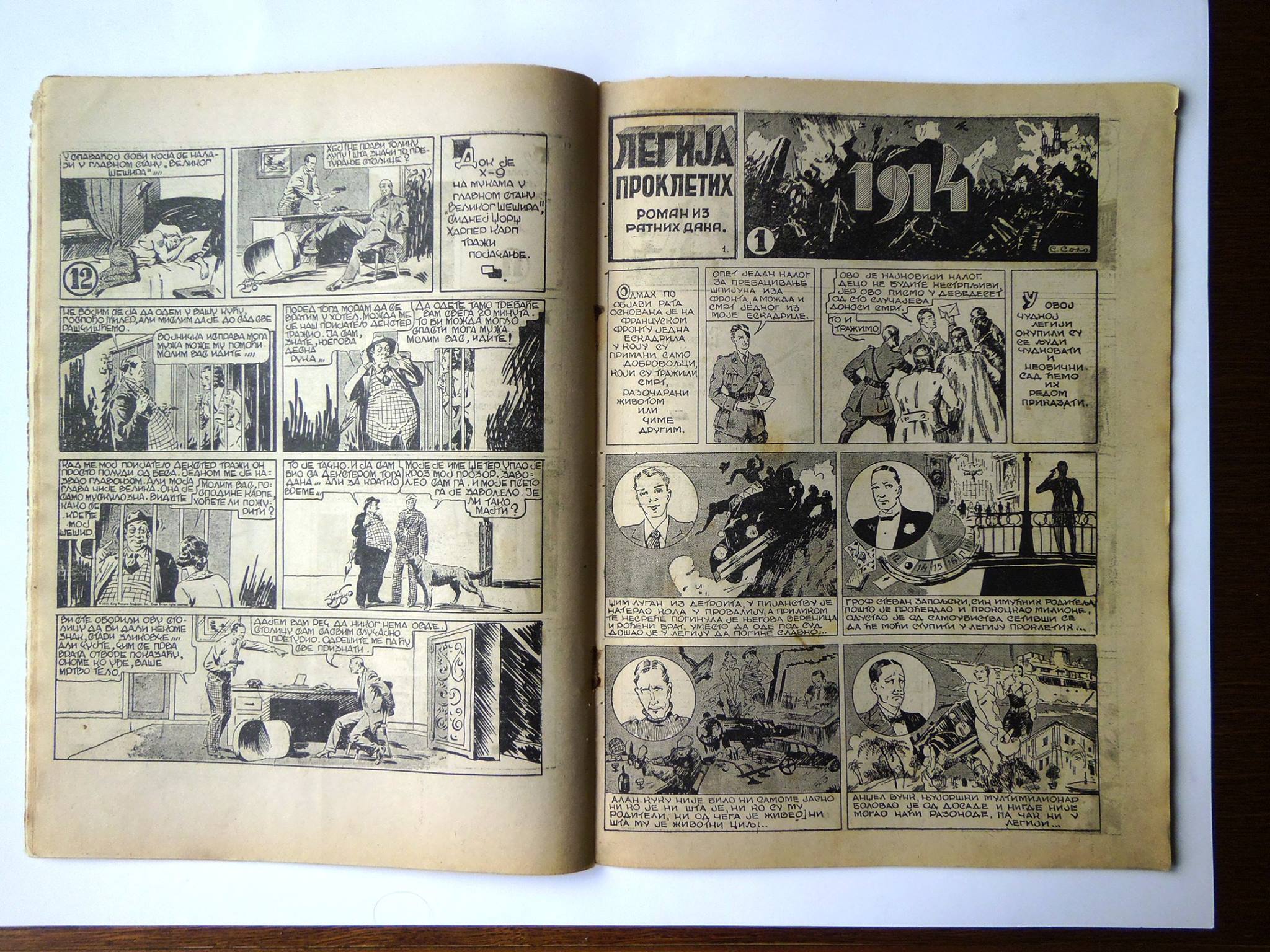
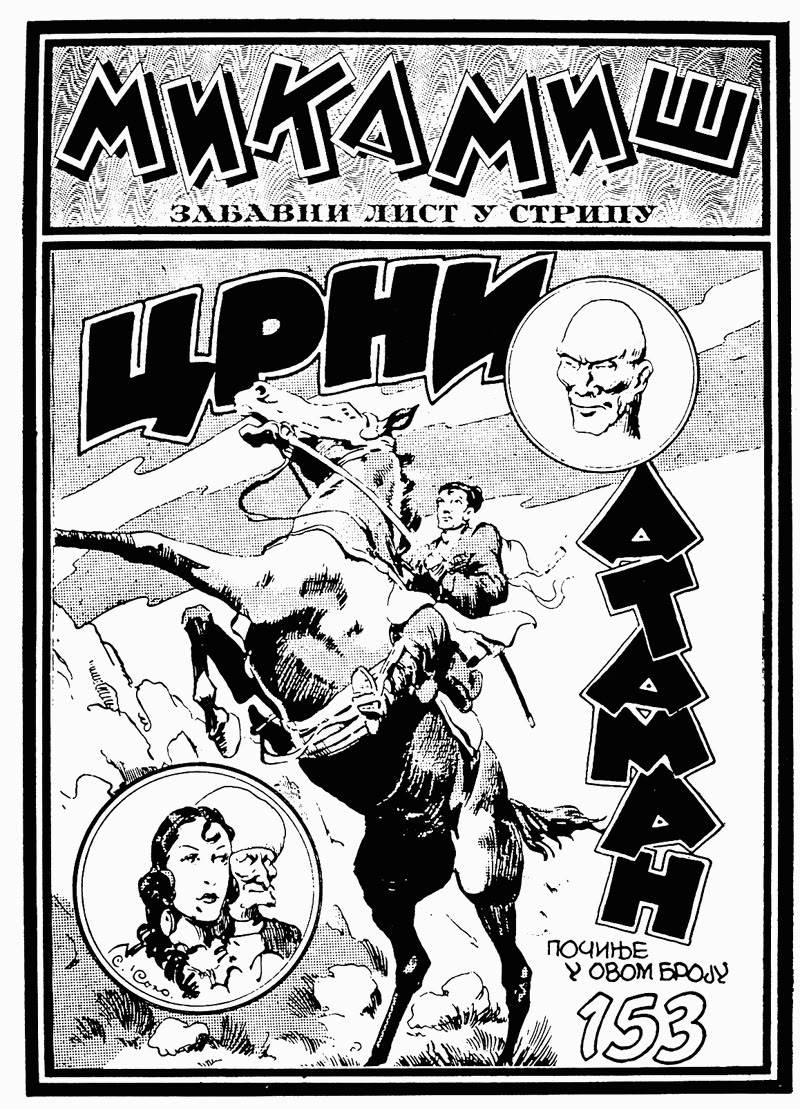
A particularly gifted artist, he became part of the exclusive Belgrade Cultural Circle, quickly becoming one of the most sought-after professionals in painting and publishing. His first comic, “Legija prokletih” (The Legion of the Damned), was published in May 1937 in issue no. 99 of Mike Mis. From the very beginning, he demonstrated remarkable maturity, creating dynamic scenes with a clearly defined and recognizable style.
Over time, his drawing remained compact and effective, while his pages became increasingly rich in detail, approaching true pictorial works. Not satisfied with illustration alone, he also achieved recognition in the field of painting.
Comic Production (1937–1941)
Between 1937 and 1941, he produced thirty-one comic stories, earning the appreciation of readers and surpassing even the well-known Nikola Navojev in popularity. He often worked on scripts by Branko Vidić, but in many cases also wrote the texts himself.
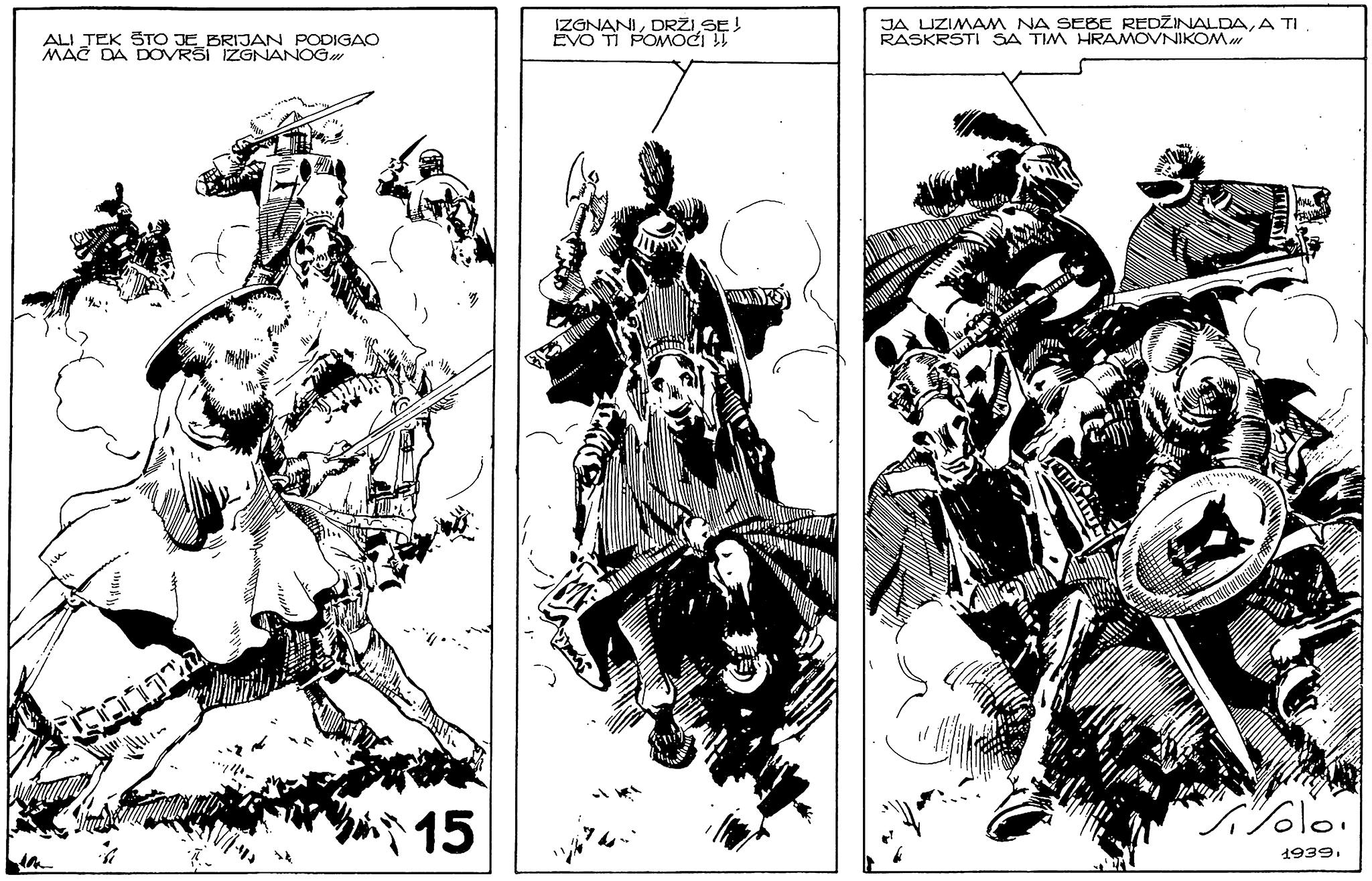
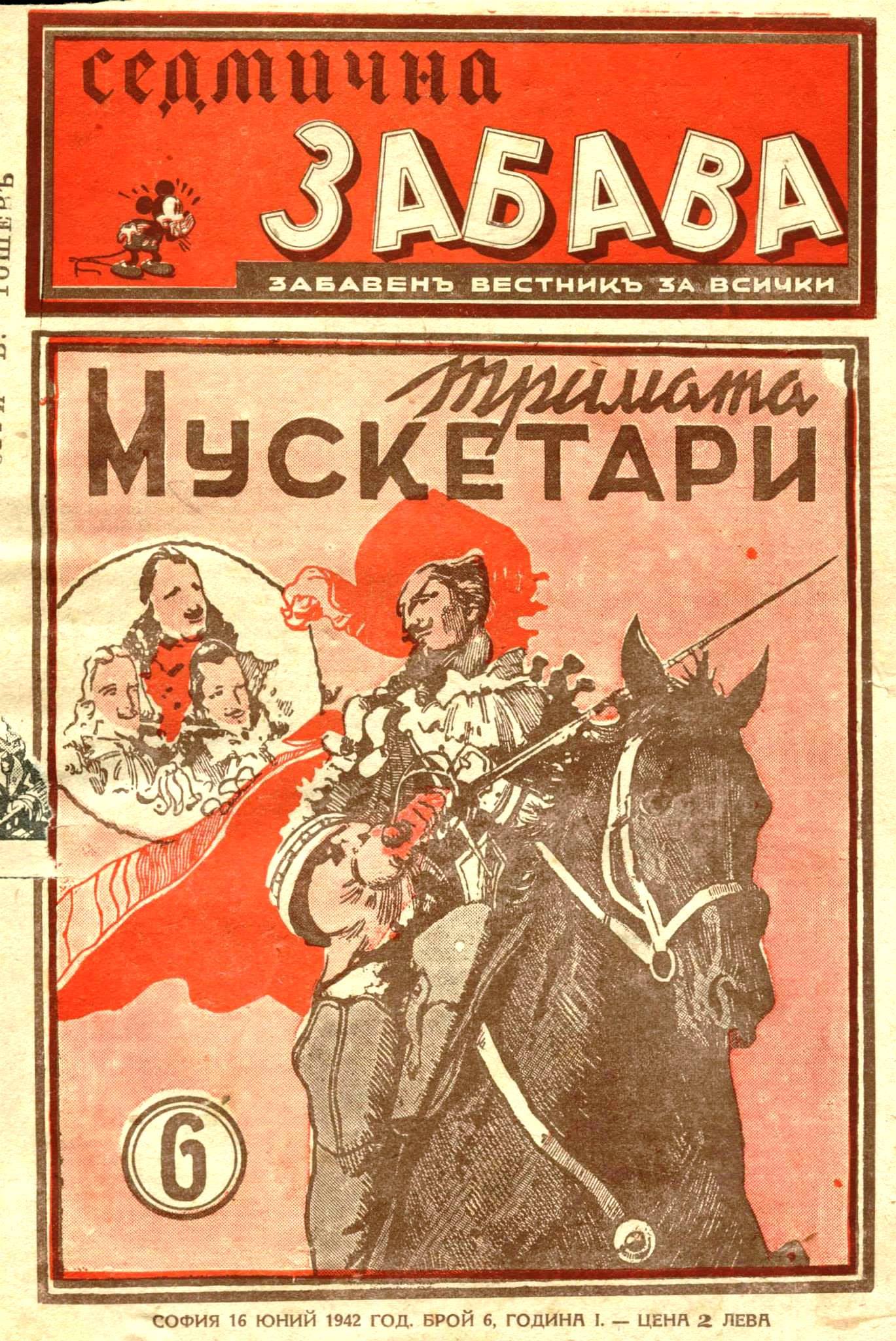
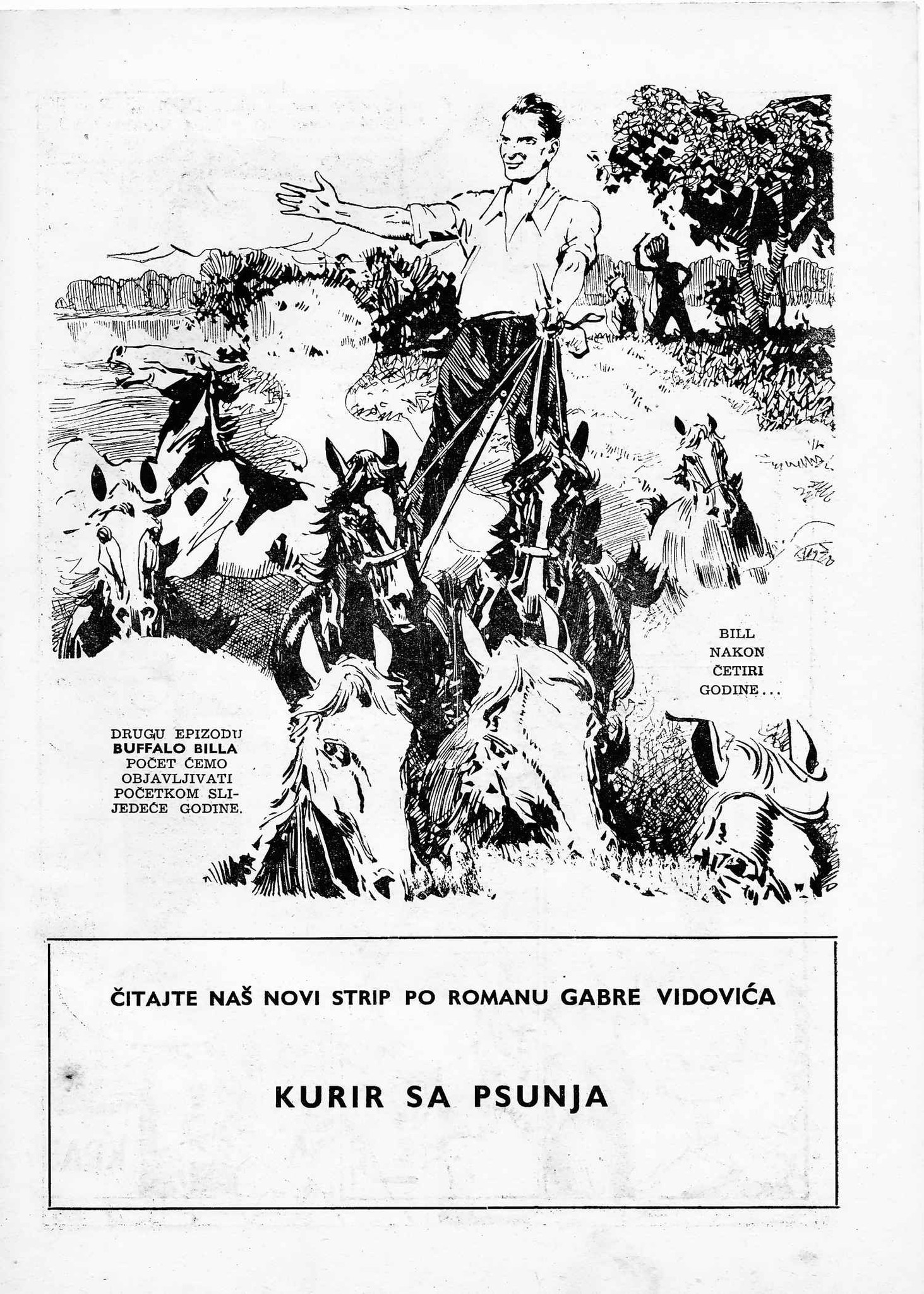
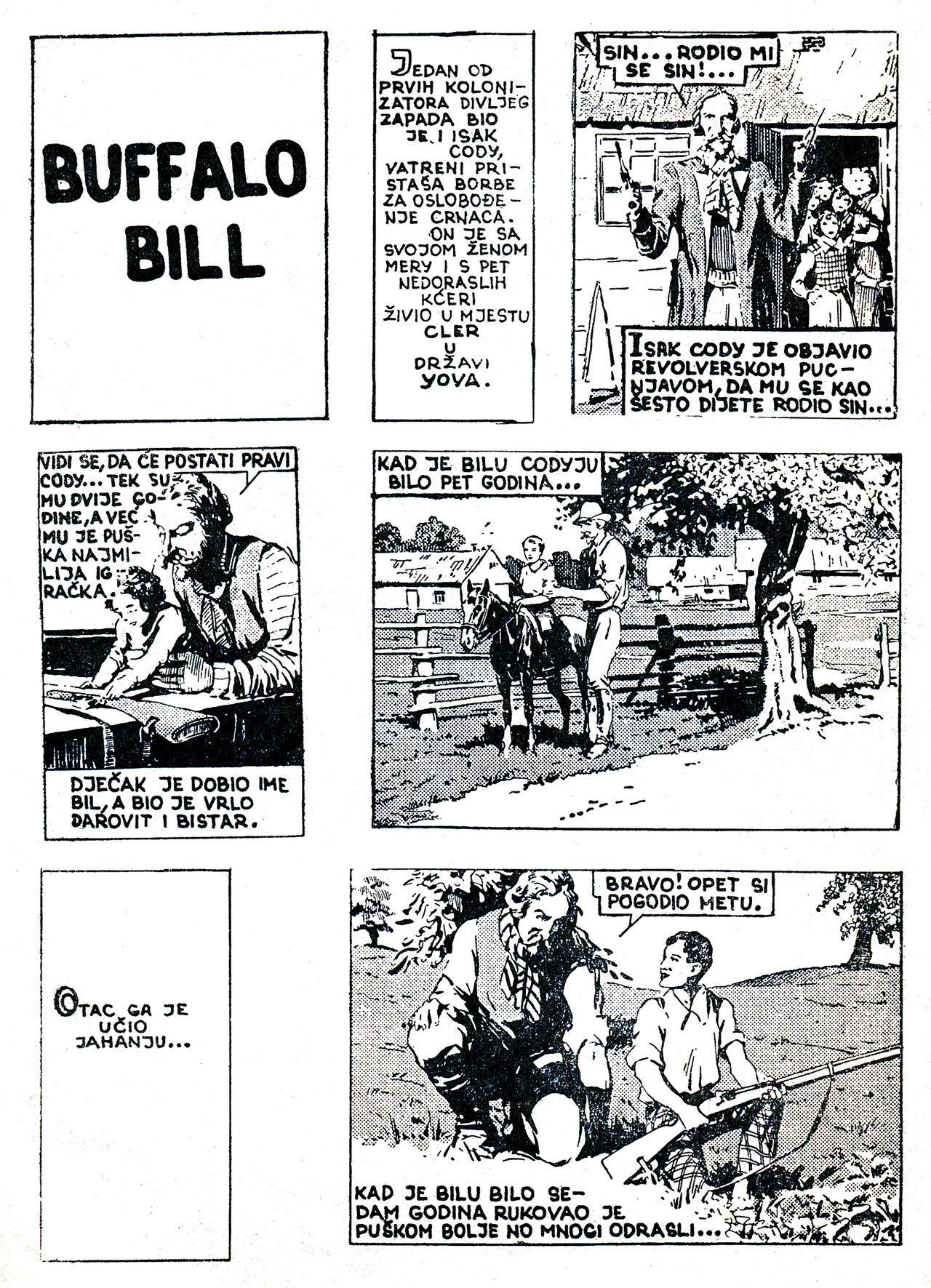
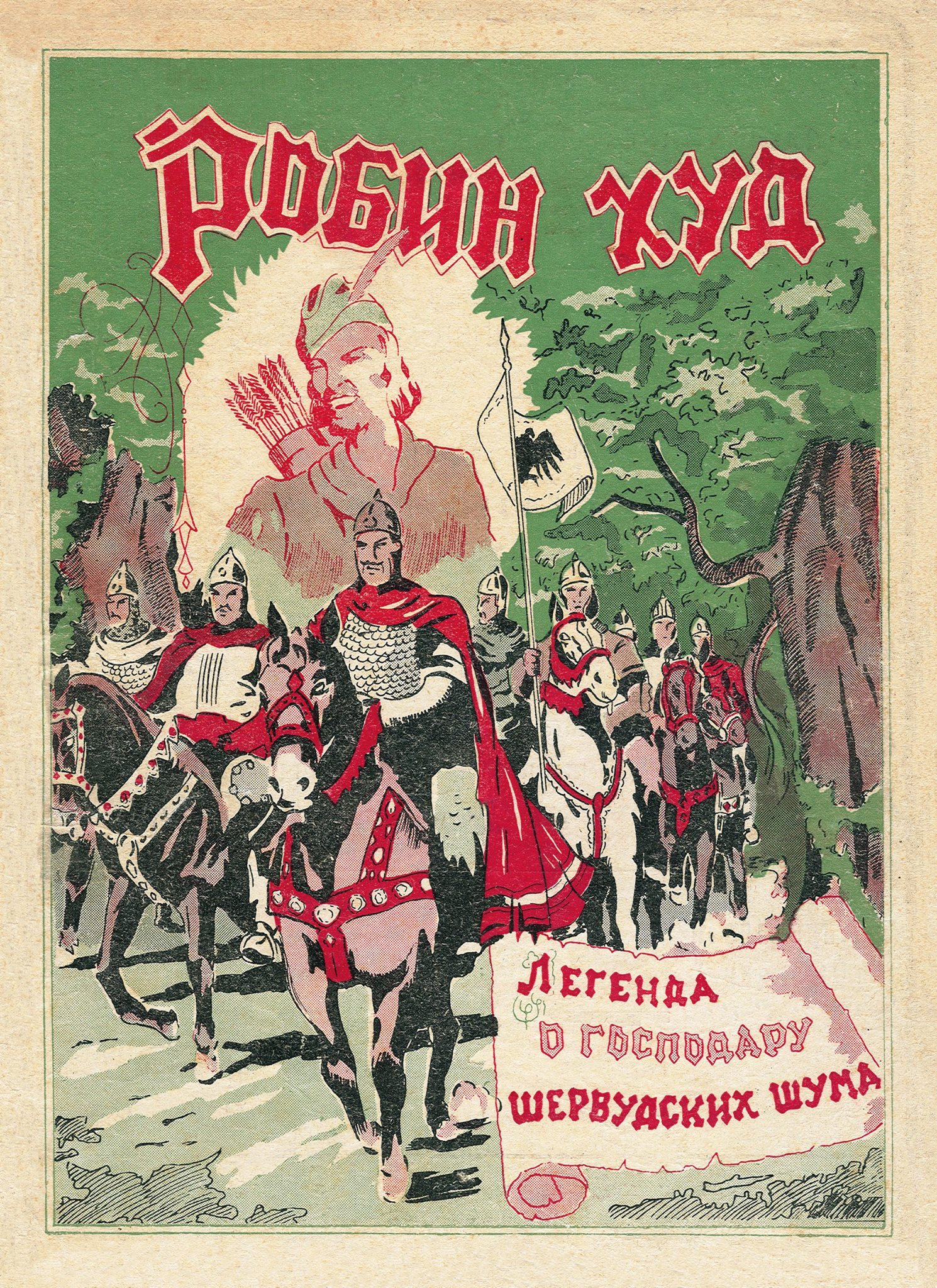
For about five years he published in Mike Mis, creating works such as “The Three Musketeers”, “A Midsummer Night’s Dream”, “The Cossacks”, “Robin Hood” and “Buffalo Bill”. The latter saga was translated in Argentina in 1941 as “The Conqueror of the West”. This was followed by adaptations of classics such as “Ivanhoe” and other works including “The Emperor’s Squire”.
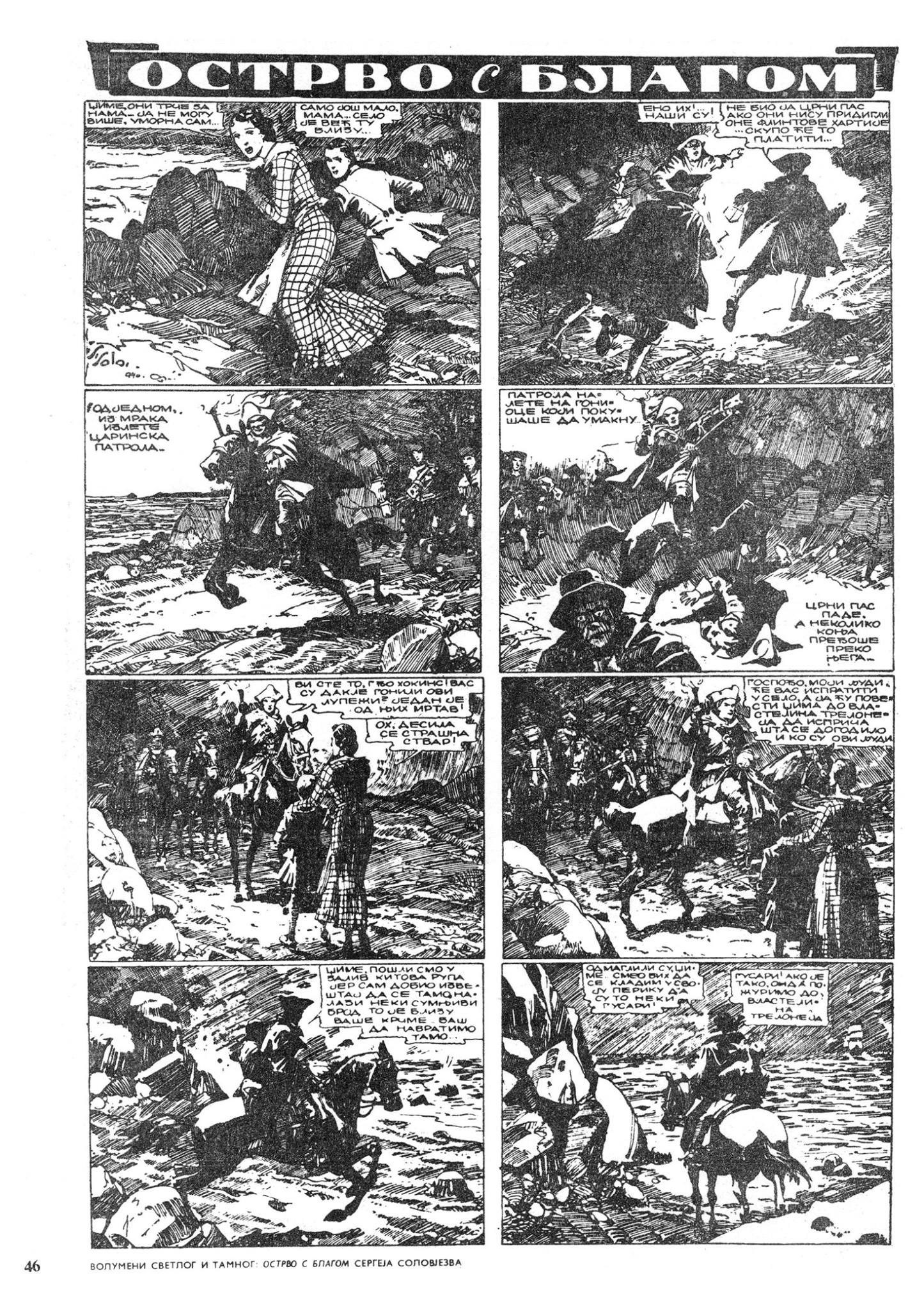
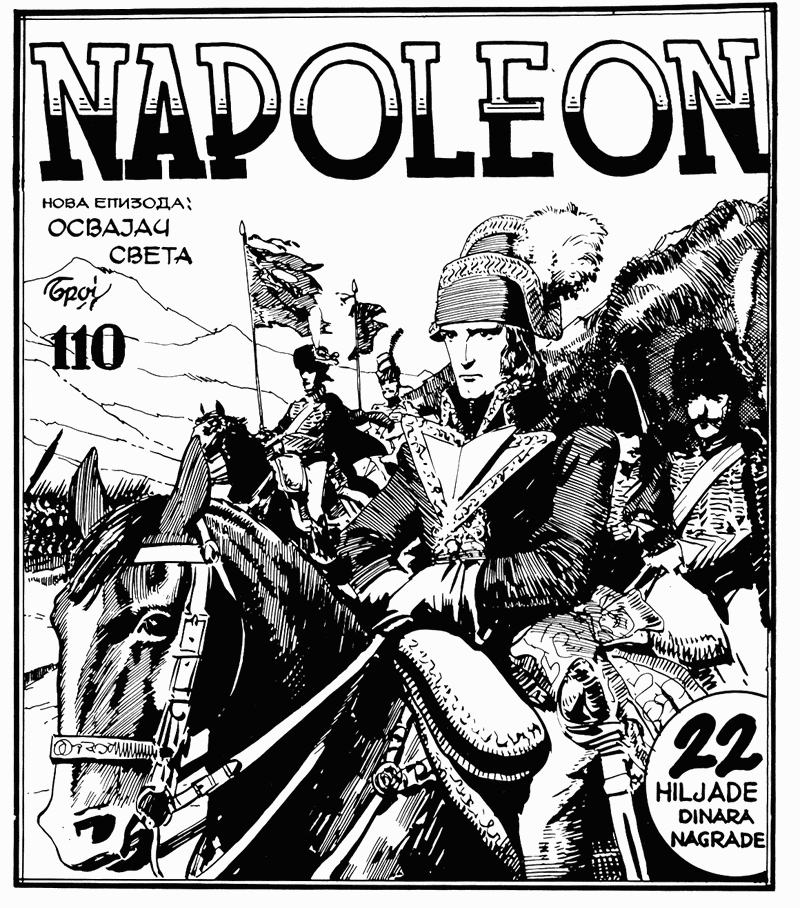
In 1940 he also published in Mikijevo carstvo works written by Vidić, including “Napoleon”, “Invincible East” and “The Young Siberian Girl”, as well as “The Road to Glory”, based on his own texts. In 1941 he created “Treasure Island” for Politikin zabavnik, which remained unfinished due to the Nazi invasion of Serbia and was completed only in 1951.
Style and Critical Recognition
According to scholars Slavko Dragincic and Zdravko Zupan, Solovjev possessed a much broader artistic culture than other authors of his time, being closer to classical European painting than to contemporary comic artists.
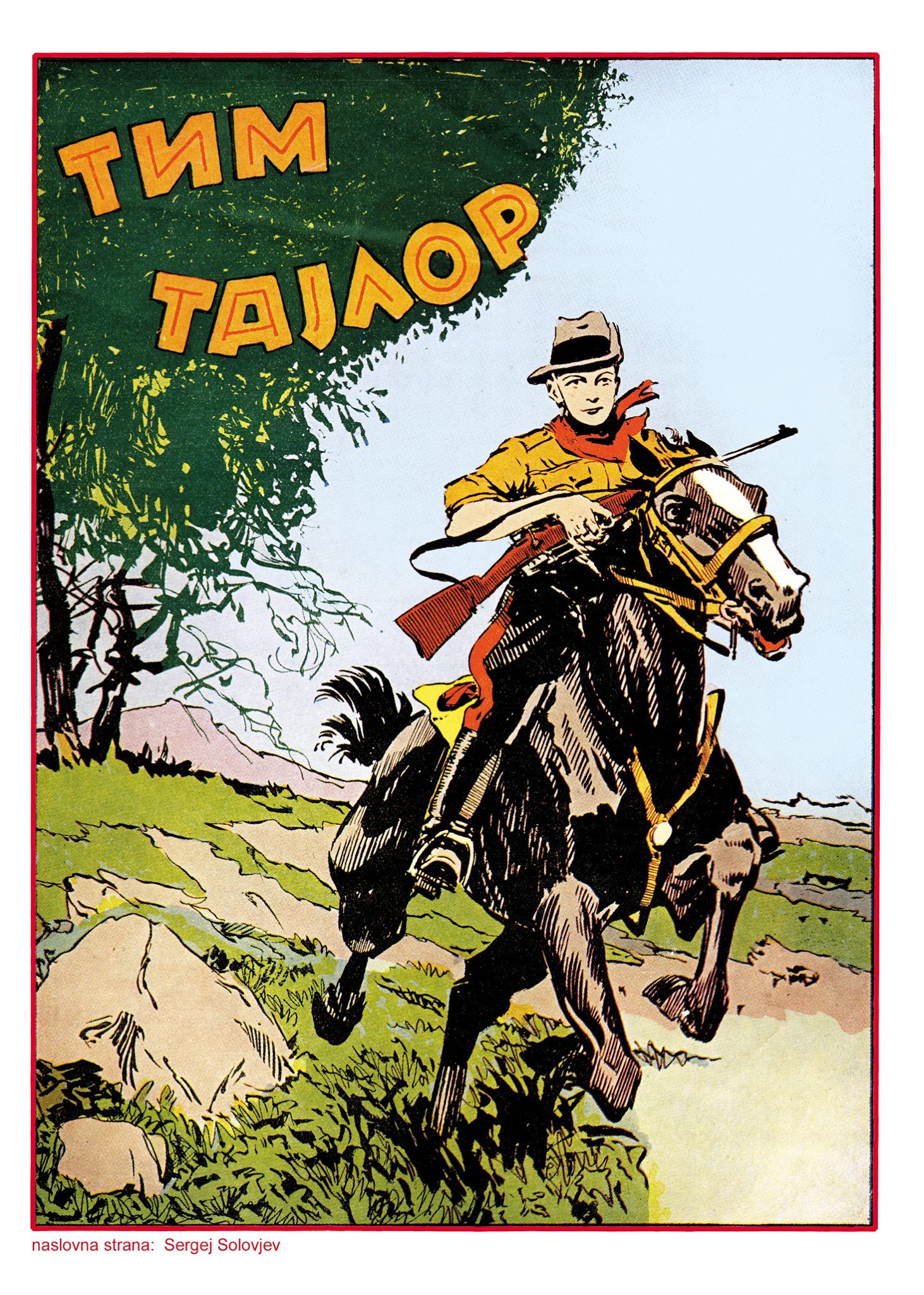
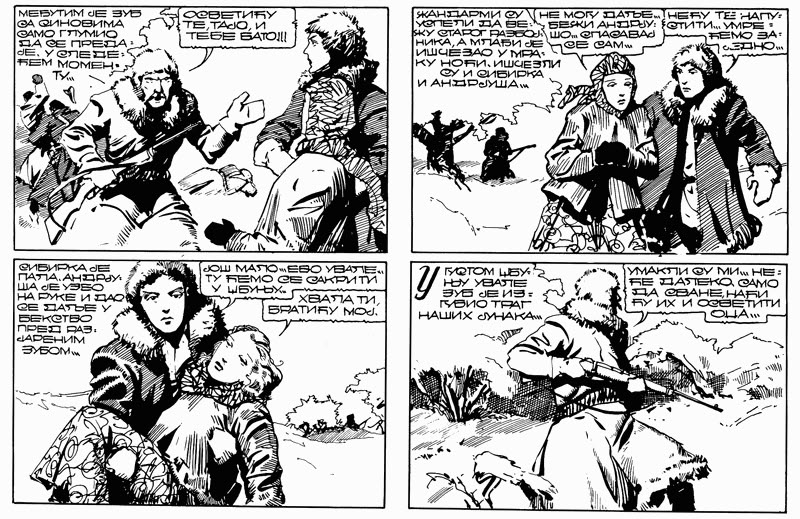
His works are characterized by strong lyricism, notable visual sensitivity, and careful use of composition and narrative rhythm. Particularly significant is his ability to depict movement and action, conveying dynamism and tension through scene construction. His pages maintain a balance between artistic expression and storytelling, even when visual impact prevails.
Italian Period and War Years
With the invasion of Serbia, Solovjev moved to Rijeka with his wife Tereza Luksic. There he came into contact with publisher Mario Nerbini and began collaborating with L’Avventuroso. Impressed by his talent, Giove Toppi entrusted him with the script of “La prigioniera di Calais”.
During this period he signed as Sergio Soloviero (later Sergio Soloviev). He also created “Lo studente Passa” and “The Treasure of the Nibelungs”, and worked on “The Scimitar of the Great Dragon”, completed in 1943.
After these publications, Solovjev disappeared from the scene for nearly eighteen years.
Return and Final Years
He reappeared in 1960 with illustrations for Lo scolaro, where he worked for twelve years until its closure in 1972. During this period he created adaptations such as “Luigi Settembrini”, “Michael Strogoff” and “The Last of the Mohicans”, as well as several painted covers.
In 1971 he participated in the first edition of Le Tre Giornate del Fumetto, and in 1972 he was portrayed in a comic by Renzo Restani in the volume “Appunti sul Fumetto Italiano” by Gianni Bono. He also created the saga of Homerus based on Bono’s script.
In 1973 he moved to Massa, where he died in 1975. The year before, the Serbian magazine Pegaz dedicated an extensive monograph to him.
Collaborations with Branko Vidić
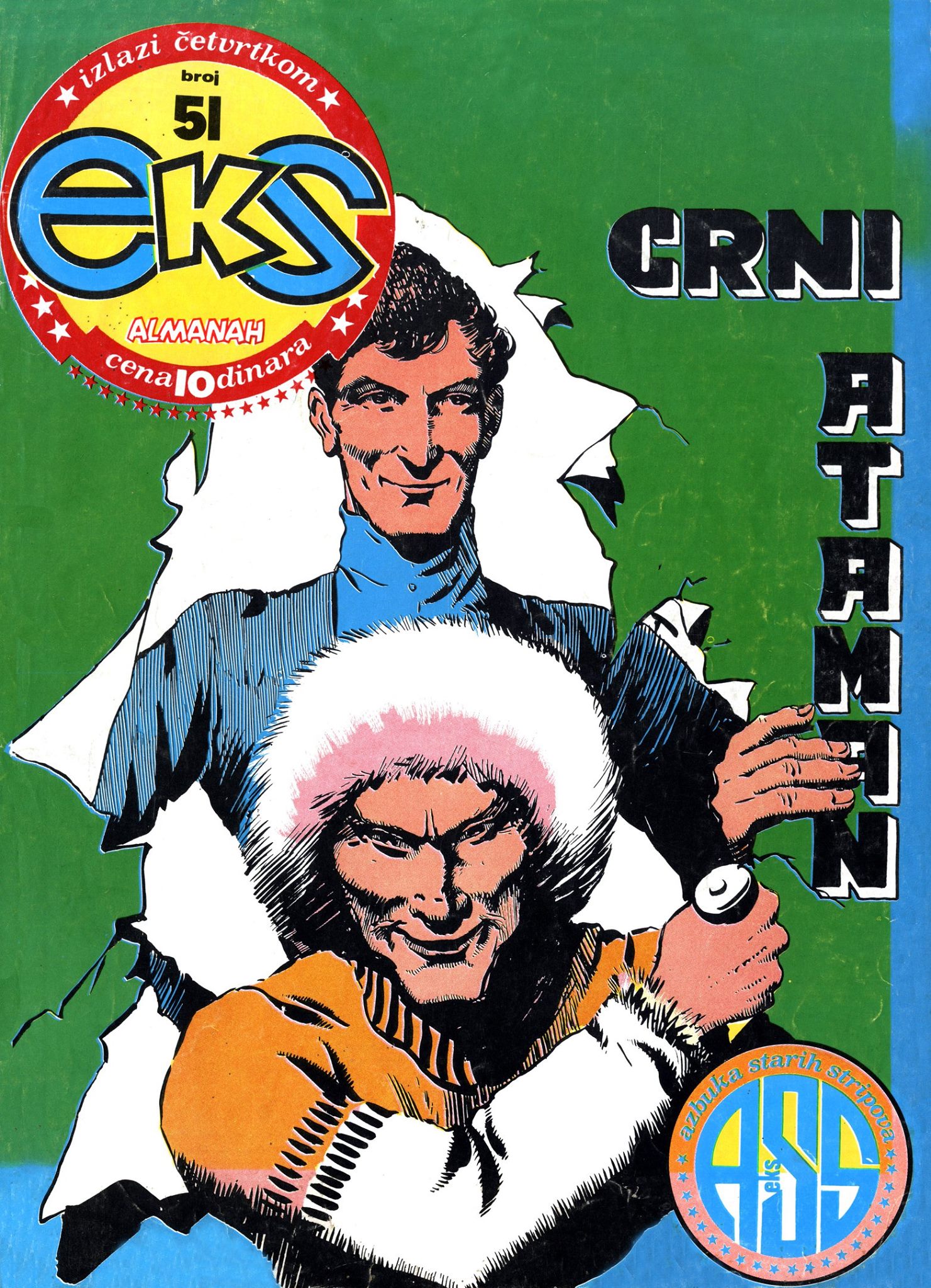
Among the most important works created with Branko Vidić are “Ivanhoe”, “Black Ataman” and “Buffalo Bill”. Together they also produced high-quality biographical series such as “Napoleon”, “Siberian Girl” and “Big Kid”.
The high quality of Solovjev’s work was also confirmed by its international circulation, particularly in France.