On Bane Kerac
After more than fifty years of comics spanning a wide range of genres—from western to science fiction, from crime to superhero stories—and after placing his talent at the service of classic heroes such as Tarzan, Zagor, Il Grande Blek, and The Phantom, Bane Kerac continues to impress with his tireless desire to draw—and to keep drawing while having fun.
An impeccable storyteller (often capable of writing his own scripts), highly skilled at visualizing every situation in the most effective way, dynamic and spectacular in every sequence, the Serbian artist always proves deeply engaged in what he tells—a true accomplice of the reader.
Moreno Burattini
Bane Kerac, Fifty Years in Comics
Branislav “Bane” Kerac was born on September 7, 1952, in Novi Sad, the heart of Vojvodina, in a Yugoslavia that still dreamed of being a bridge between East and West.
Family stories recall that, already at the age of four or five, he would fill notebooks with drawings—not just random doodles, but figures already in motion, fighting, leaping from one building to another.
In the 1970s, the young Bane honed his craft in Yugoslav magazines such as YU strip, Strip Art, and above all Kerempuh. He drew everything: humor, westerns, horror, adventure.
But it was in 1975 that his first major breakthrough came: together with writer Svetozar “Zdravko” Obradović, he created Kobra, a lethal secret agent with a name that already hinted at danger. Kobra became something of a cult classic in the Balkans—tight action, nervous inking, panels that feel like punches. Kerac demonstrated a rare mastery of black and white: sharp lines, deep shadows, exaggerated yet convincing anatomy.
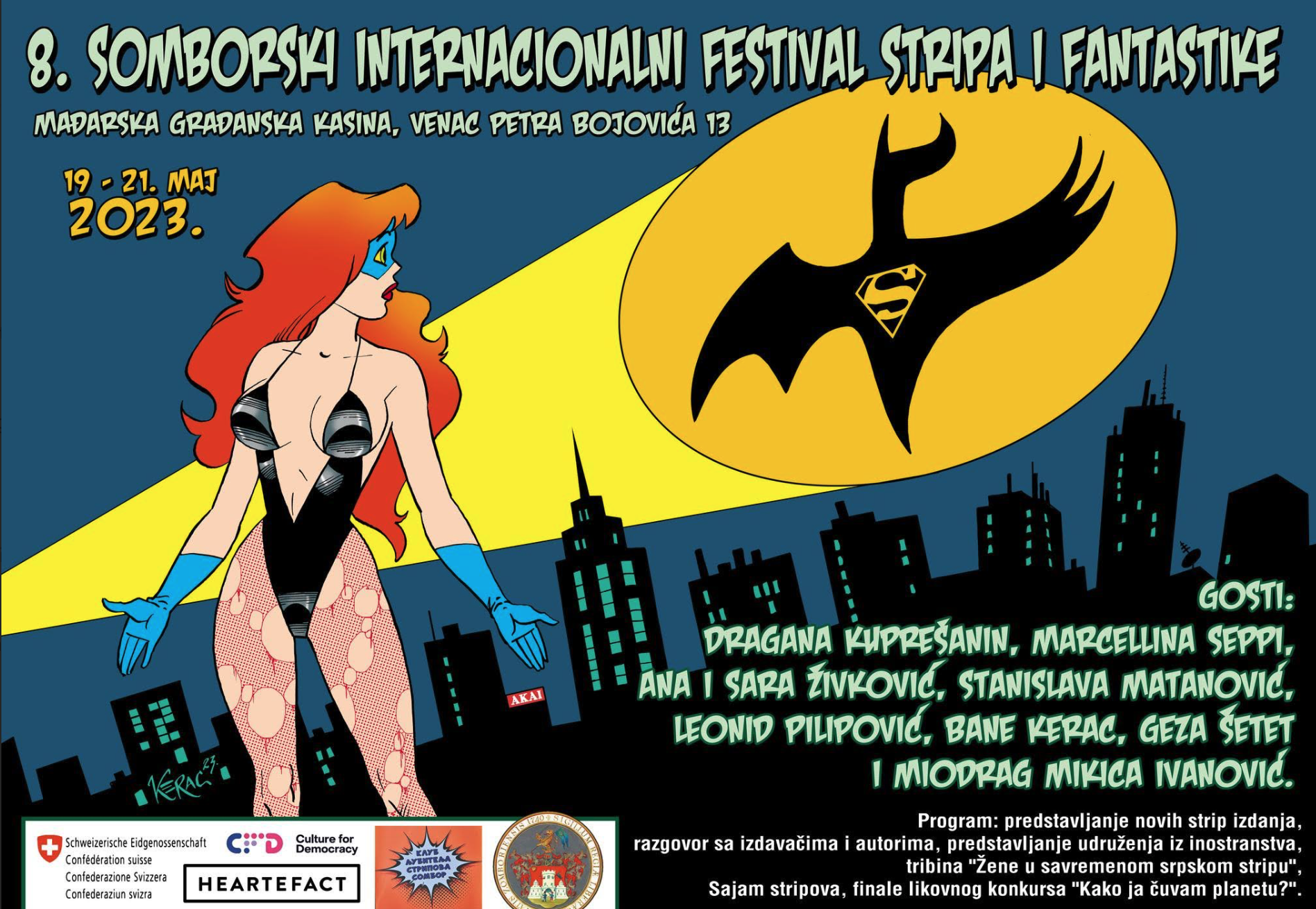
Then, in the 1980s, came the character that made him famous beyond Yugoslav borders: Cat Claw. Deborah “Cat” Claw is a young woman bitten by a radioactive cat (a clear homage to Spider-Man), who by night transforms into a feline vigilante—claws, a tight suit, and the curves of a pin-up star. Yet beneath the playful eroticism lies a relentless pace, biting humor, and an affectionate parody of American superhero comics.
Cat Claw appeared in Strip Zabavnik and later in comic books, achieving great success in its home country and being translated into about ten languages. It even reached the United States in a “soft” version, under the pseudonym H.M. Baker, for publishers such as Dark Horse.
Kerac did not stop there. He drew Tarzan for the Yugoslav market (authorized version, 1980s–1990s), illustrated posters for Masters of the Universe, created Gvozdeni Ratnik (Iron Warrior), and explored horror and science fiction. His style is unmistakable: dynamic, full-bodied, with an almost rock-like energy. Not surprisingly, Bane also plays drums in the Serbian heavy metal band GeroMetal—the same wild spirit, the same high volume.
From the 2000s onward, he has continued to work, often independently or with small publishers, maintaining a style that does not age. Reprints, omnibus editions, exhibitions across Europe. Cat Claw remains his calling card, but those who truly know Kerac understand that behind the feline pin-up lies a tireless craftsman—one who has lived through wars, embargoes, regime changes, and shifting trends without ever stopping drawing.
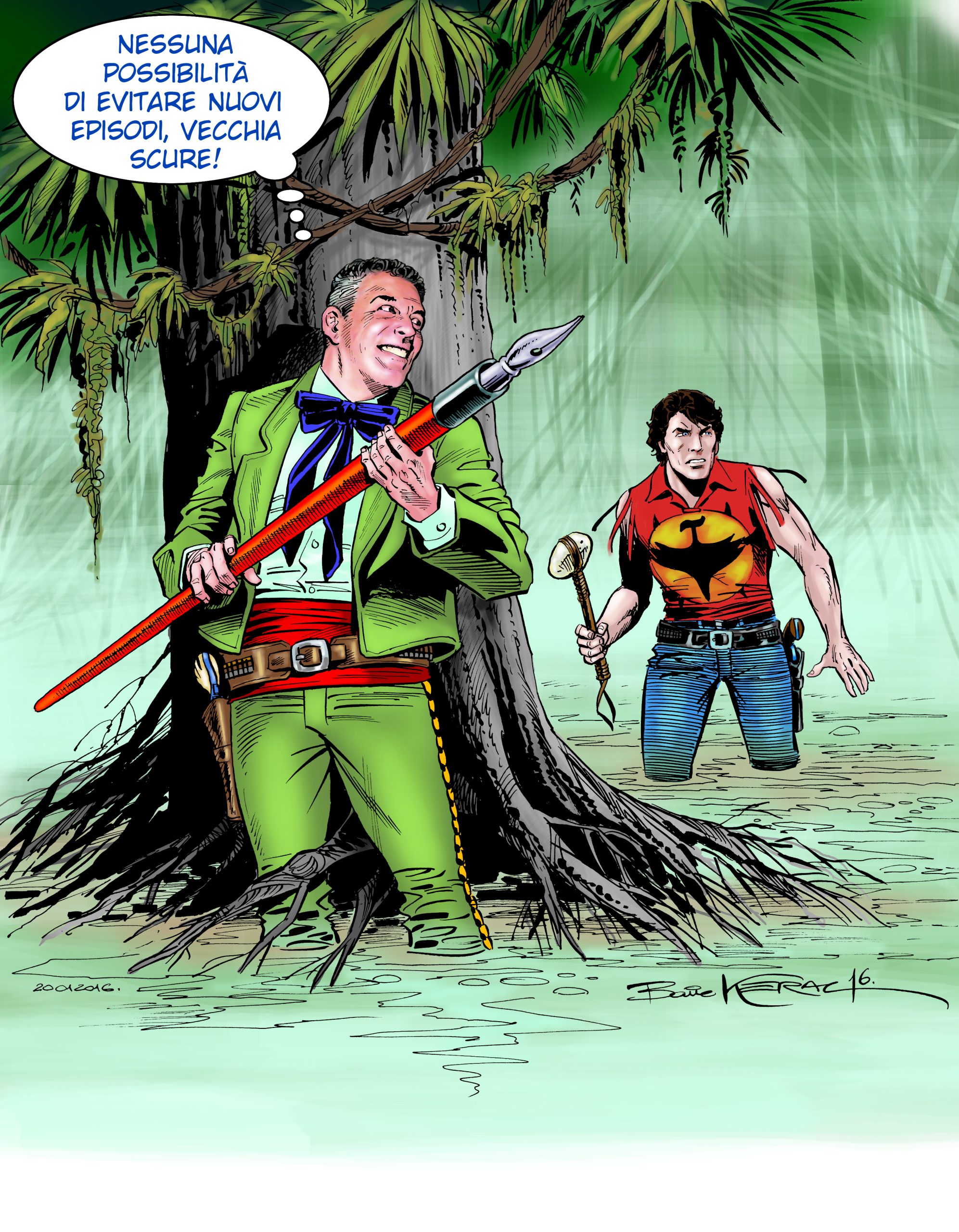
In 2015, his meeting with Italian writer Moreno Burattini opened the doors to Sergio Bonelli Editore, leading to his collaboration on Zagor, a character that has been extremely popular since the 1960s in Serbia and across the former Yugoslavia.
Today, Bane Kerac is one of the most prominent names in Serbian comics—a living classic who has taught generations of Balkan artists how to tell stories with pencil and attitude. Because, ultimately, his unspoken motto has always been: if it has to be action, it should be action all the way. And preferably with a few curves and a solid drumbeat in the background.
Me and Bane Kerac, by Moreno Burattini
I first met Bane Kerac in the city of Kragujevac, Serbia, in July 2011. Every summer, a comics festival is held there, and that year I had been invited to celebrate, even at the foothills of the Balkans, the fiftieth anniversary of the Spirit with the Hatchet.
Bane—one of the most well-known and beloved Serbian artists, active for decades both in his homeland and abroad—told me about the great popularity enjoyed by the King of Darkwood throughout the countries of the former Yugoslavia, and explained how much he would have liked to draw a Zagor story. Among other things, he showed me his Tarzan pages and some western works: I was deeply impressed.
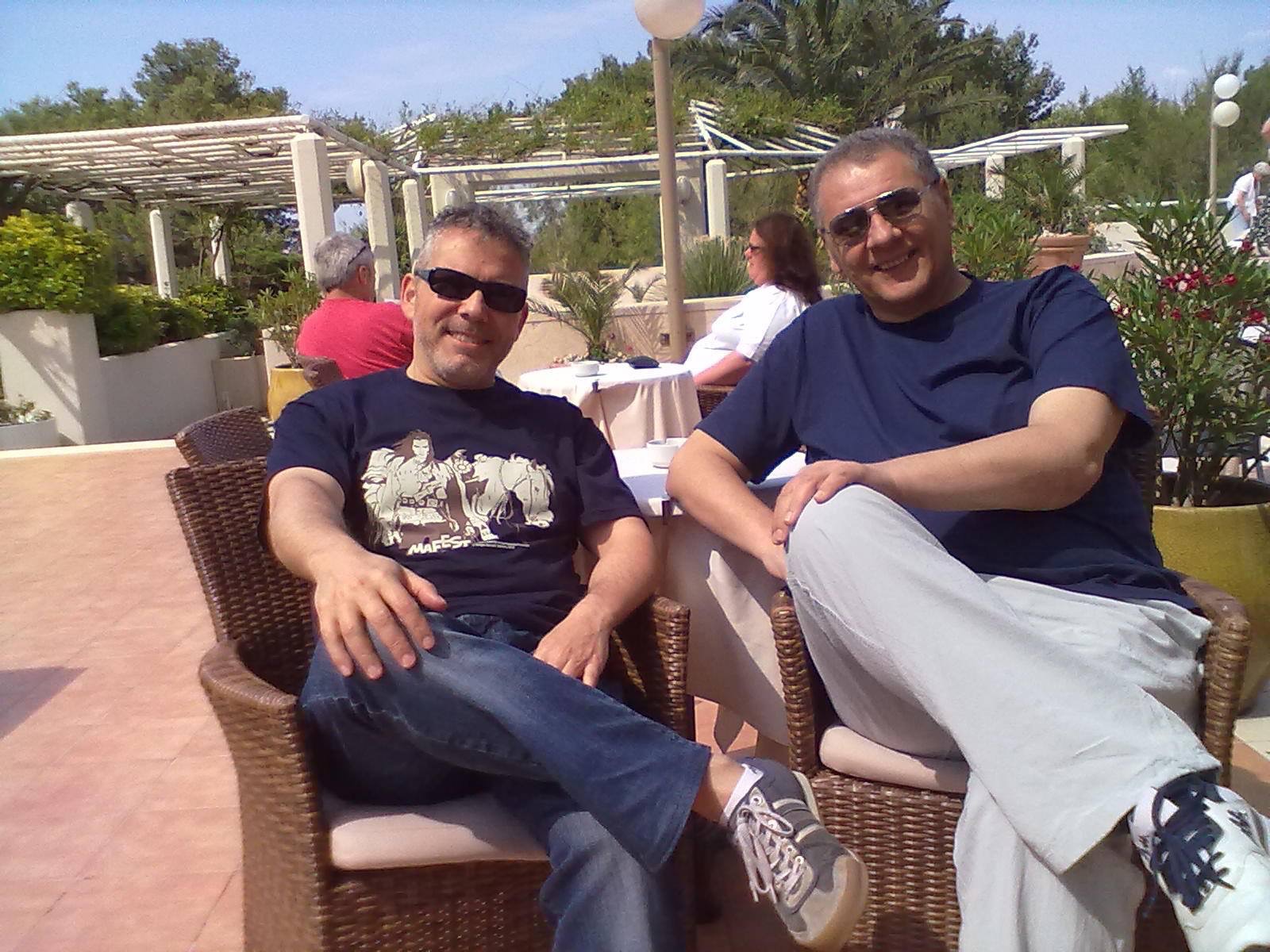
The second time I met Kerac was in Croatia, more precisely in the seaside town of Makarska, near Split, in May 2012, again during a festival dedicated to comic book heroes. Seeing him again allowed us to turn that idea into something concrete: in Italy, a new series of standalone full-color stories—Color Zagor—was taking shape, and one of these could be illustrated by Bane, provided his test pages were successful.
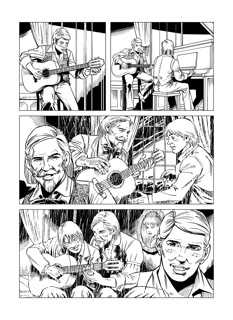
I had no doubt they would be perfect, having already seen what Kerac had produced throughout his career and being fully convinced of his great talent. The publisher agreed, and within a few months I sent him the first pages of my script, Il passato di Guitar Jim (2015), a color story revealing the past of a recurring supporting character in the Zagorian universe, created by Sergio Bonelli in 1967. The story uncovers who taught Jim to play the guitar, who taught him to shoot, why he first devised hiding a gun inside his instrument, and how a clean-cut young man became a wanted outlaw.
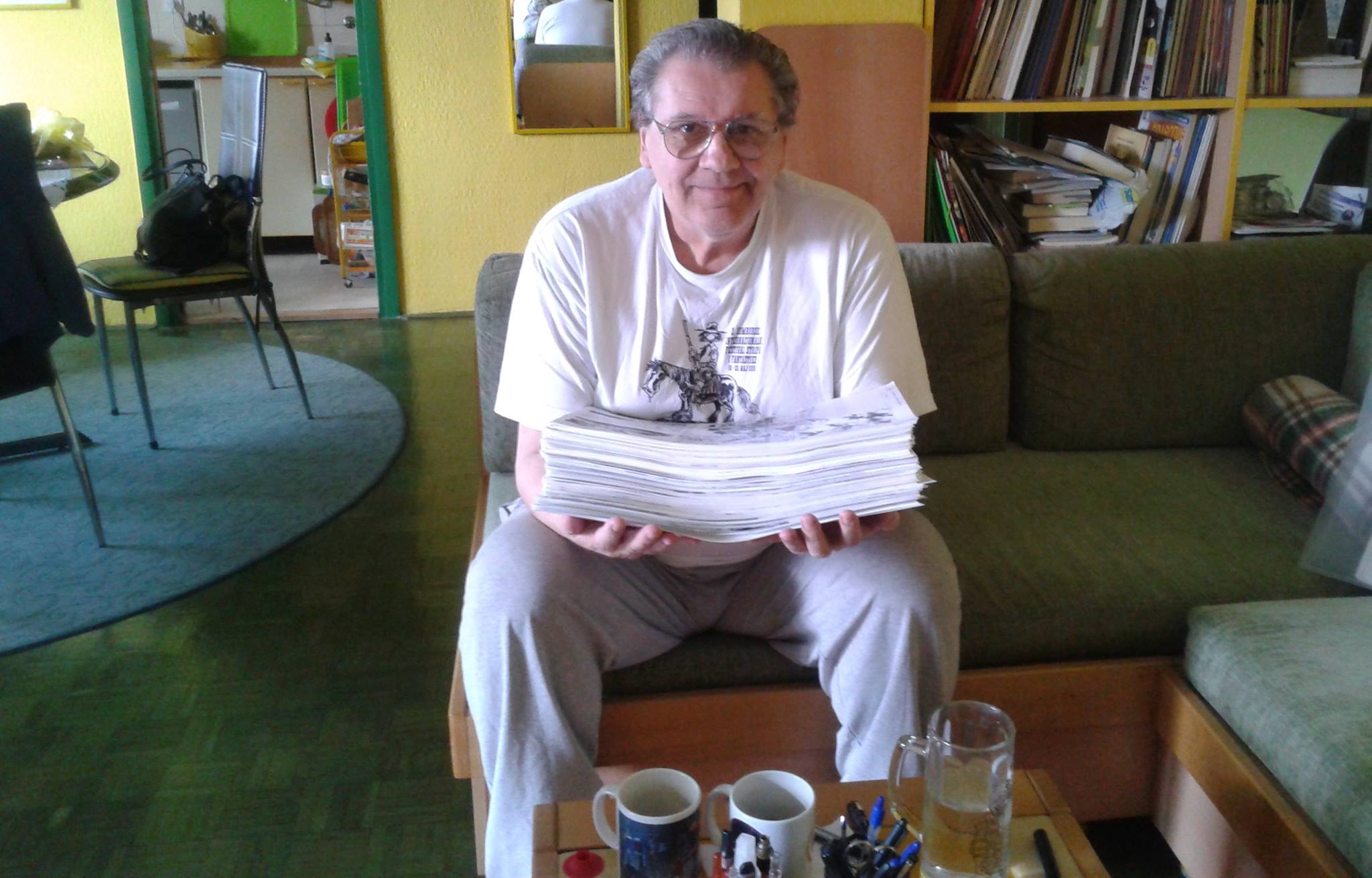
Our second collaboration was Il pueblo misterioso (2019), followed in 2020 by another Color Zagor, La missione di Drunky Duck, and finally L’agente di Altrove (2026). Ten years later, the result is four stories created together, totaling nearly nine hundred pages.
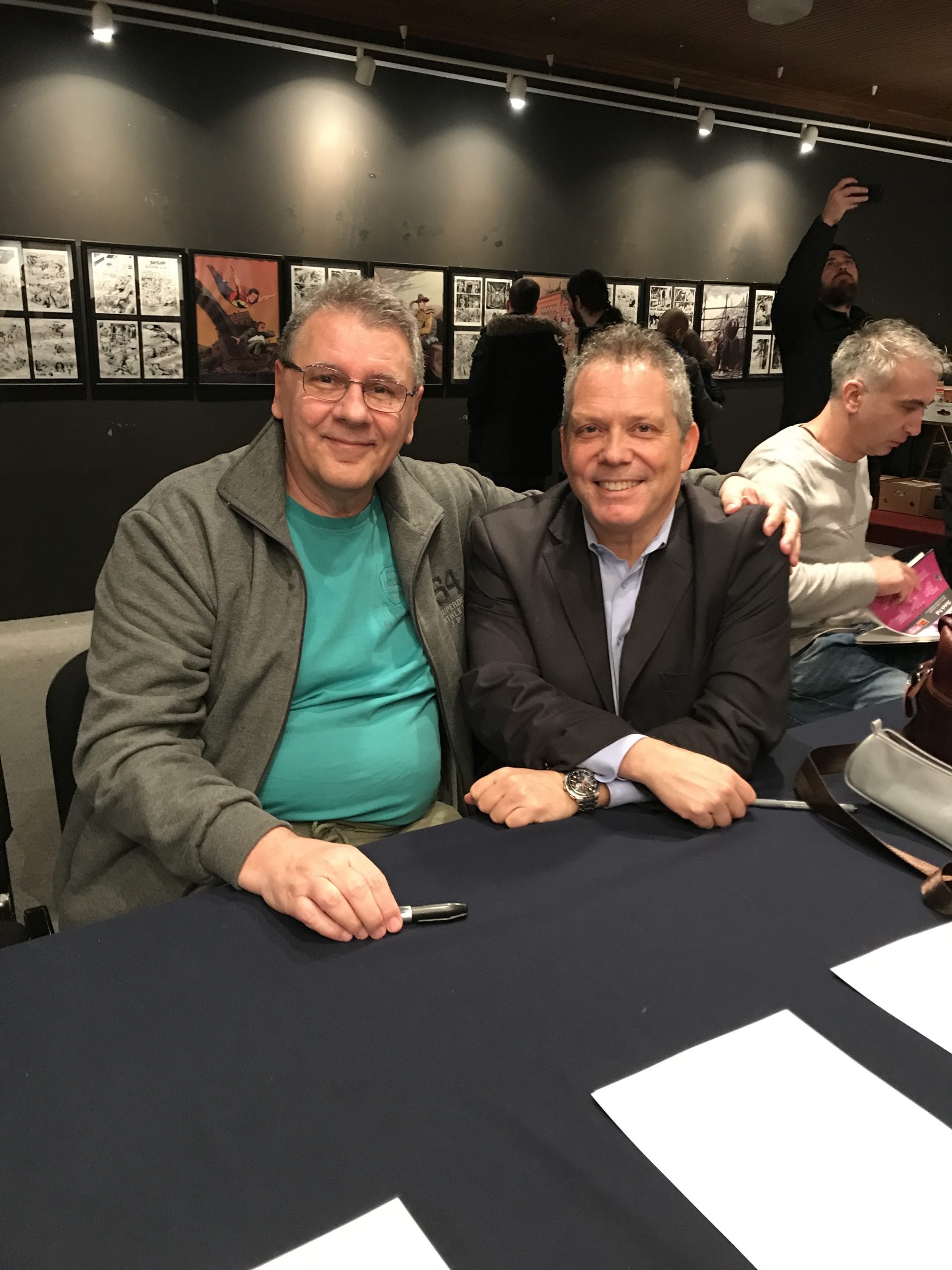
Working with Kerac has always been both enjoyable and rewarding. It is a pity to be separated by the Adriatic Sea, but we write to each other often and have met several times, both as guests at events where his Zagor pages were previewed: in Herceg Novi (Montenegro) in 2014; at Riminicomix in 2015, where he had his first enthusiastic encounter with Italian Zagor fans; in Mostar (Bosnia and Herzegovina) in 2017; and in Sardinia for the Amici di Zagorgathering in 2019.
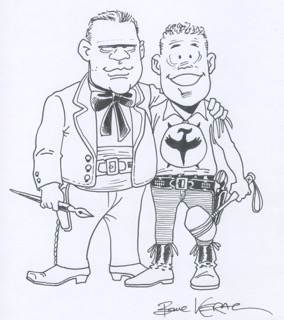
There is also something else that unites us, beyond our shared passion for the same comics, the same atmospheres, the same idea of adventure: our birth date. We were both born on September 7 (he exactly ten years before me, in 1952). Not by chance, he affectionately calls me “horoscope brother.”
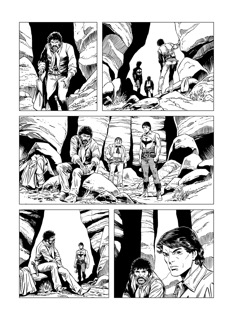
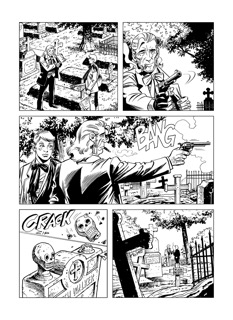
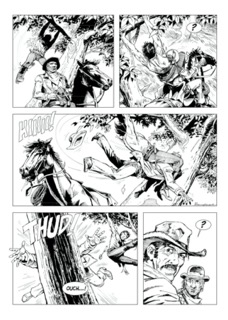
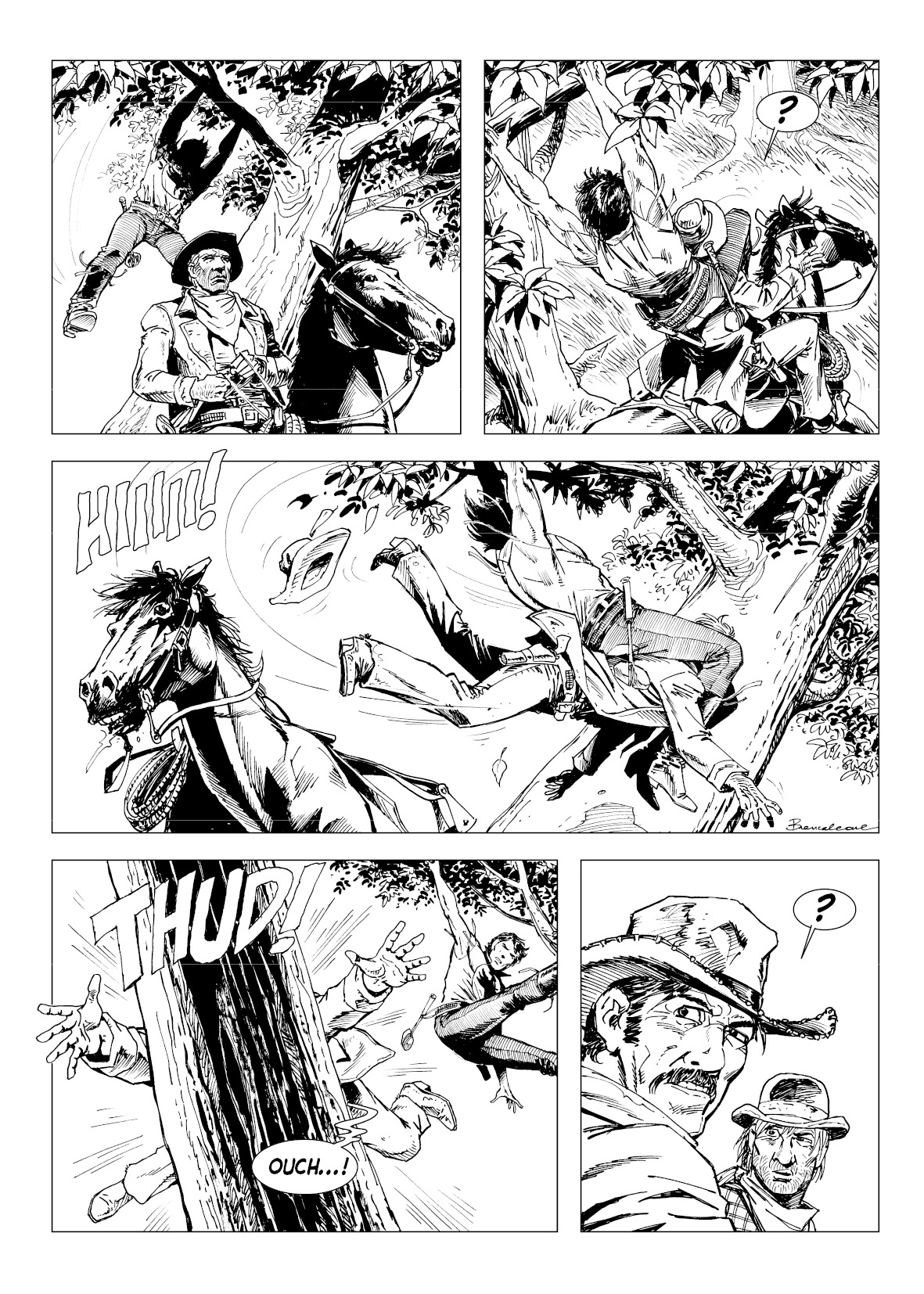
As the skilled storyteller he is, he has improved many passages of my scripts, adding surprising ideas to make the King of Darkwood fight in dynamic ways and enhancing the visual impact of each scene. What stands out in him is his professionalism: he knows how to narrate each sequence in the most effective way, making panels flow smoothly and flawlessly, while at the same time remaining playful and passionate—a true accomplice of both reader and writer.
So much so that, once I realized how skilled he was at drawing female characters, I ended up asking him to include as many as possible, giving space in our stories to women with strong personalities, such as Julia Shulz and Chloe Storm. Before them, after all, Bane had drawn for years a superheroine of his own creation: Cat Claw.
Congratulations on your claws, horoscope brother!
Selected Chronology
1970s
Lieutenant Tara (Poručnik Tara) (1975): marks his official debut, a war comic set during World War II, created together with Svetozar Obradović.
Kobra (1976): created with Svetozar Obradović, it follows the adventures of a stuntman. It became one of the most popular titles in Yugoslavia during the 1980s.
Eltand & Argus (1977): a fantasy series published in the magazine Stripoteka.
1980s
Cat Claw (1981): his most famous creation, a superheroine born as a parody/homage to Marvel comics. It achieved major international success, being published in the USA (by Malibu/Eternity Comics), France, and Scandinavia.
Il Grande Blek (1982): Kerac wrote and illustrated stories for the Yugoslav production of the famous character created by EsseGesse.
Tarzan (1982–1990): he was one of the main authors of the Yugoslav licensed production of Tarzan for the publisher Marketprint, producing dozens of episodes.
Billy Pljuca (Billy the Spit): a humorous and parodic western series.
1990s
The Black Pearl (1996): a mini-series written by Mark Hamill and Eric Johnson for Dark Horse Comics, illustrated by Kerac.
Ghost: collaborations for the Dark Horse Comics series.
2000s
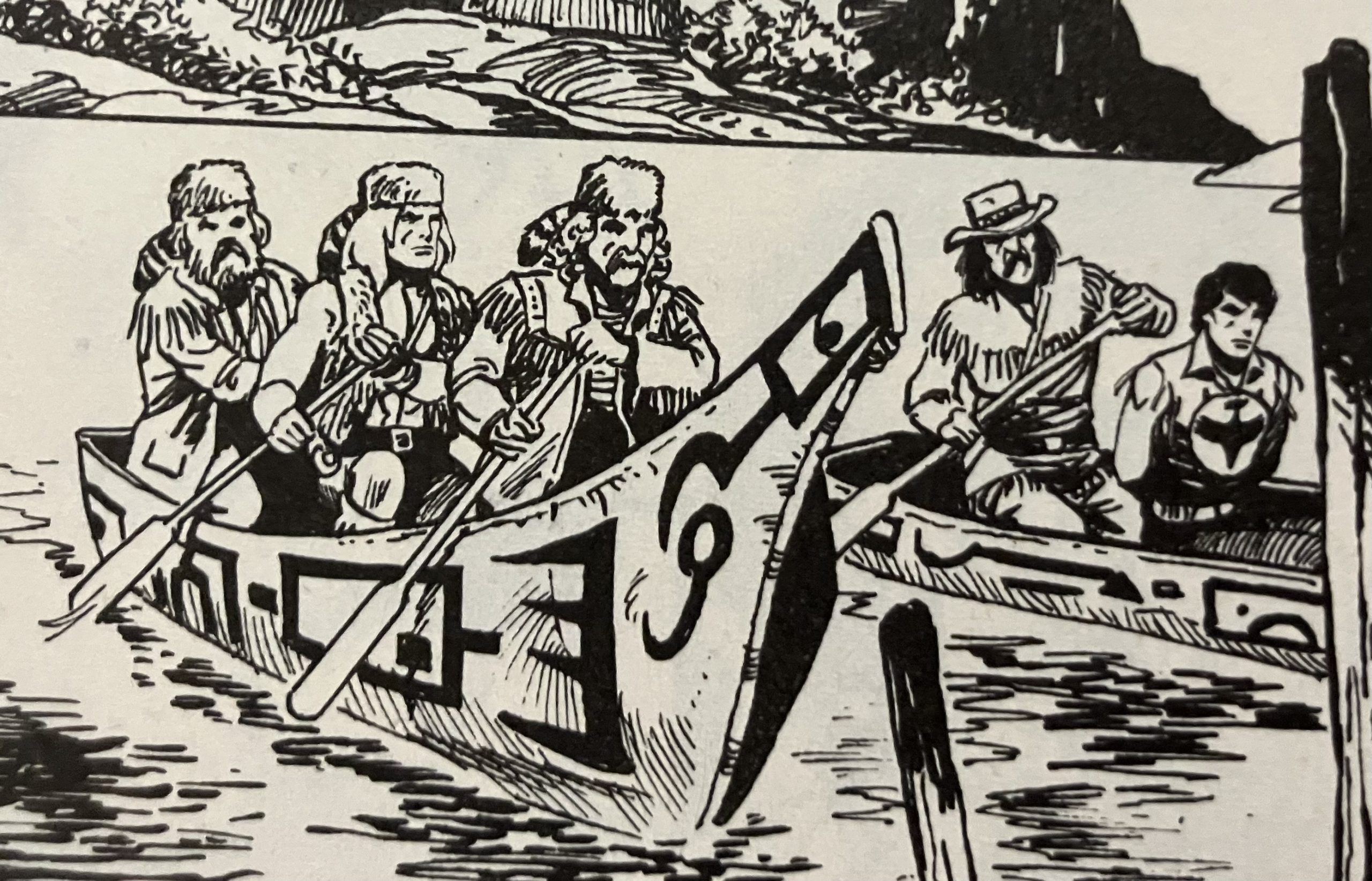
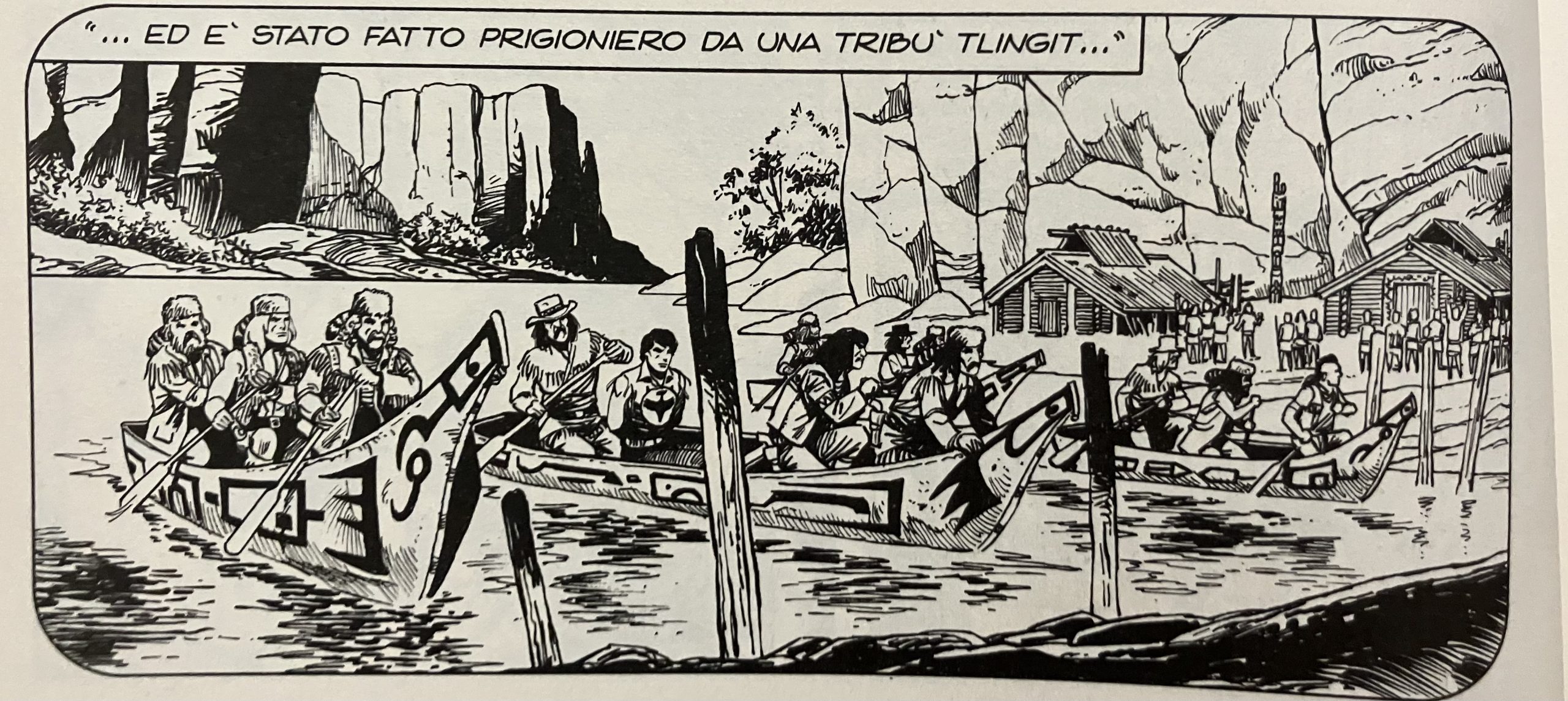
Zagor (2015): Kerac joined the staff of Sergio Bonelli Editore, becoming one of the leading artists of Zagor.
The Phantom (The Ghost Who Walks): he collaborated with the Scandinavian publisher Egmont on stories of the legendary character created by Lee Falk.