
On Giuseppe Palumbo
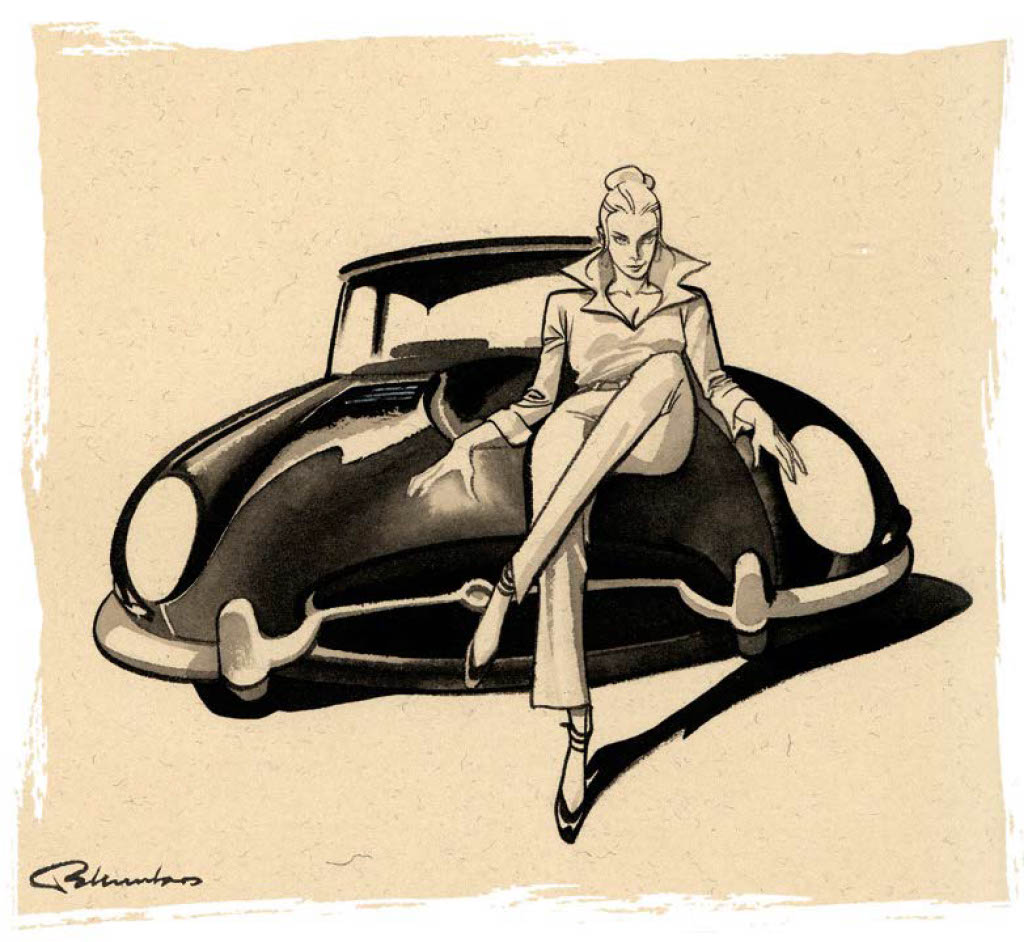
Those who know Giuseppe Palumbo only through his drawings—from Ramarro to Diabolik—might imagine him tall, thin, pale, taciturn… vaguely unsettling, somewhat like the exorcist from the film of the same name.
In reality, Giuseppe is exactly the opposite, in every sense, able to balance the dark impact of his imagery with a bright and engaging personality.
A man of culture (he holds a degree in Classical Literature with a specialization in archaeology), a great storyteller, and a lover of good food, he is excellent company to spend time with. And the same can be said of his comics.
Mario Gomboli
Giuseppe Palumbo in Belgrade: comics as a total art
Giuseppe Palumbo was born in Matera on July 24, 1964, and soon established himself as one of the most authoritative Italian comic artists.
The comics career
After attending a classical high school and graduating in Classical Literature, in 1984 he published Sul dorso di Atlante, a comic book that earned him an invitation to “Zio Feininger,” a postgraduate course in comics and graphic arts founded the previous year by the group behind the Valvoline Motorcomics insert in the magazine alter alter, including Igort (Igor Tuveri) and Daniele Brolli.
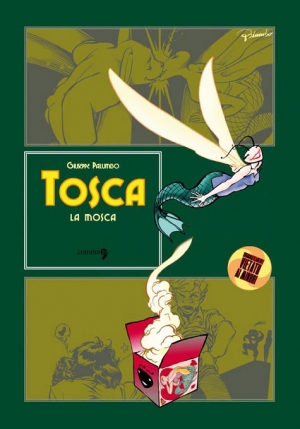
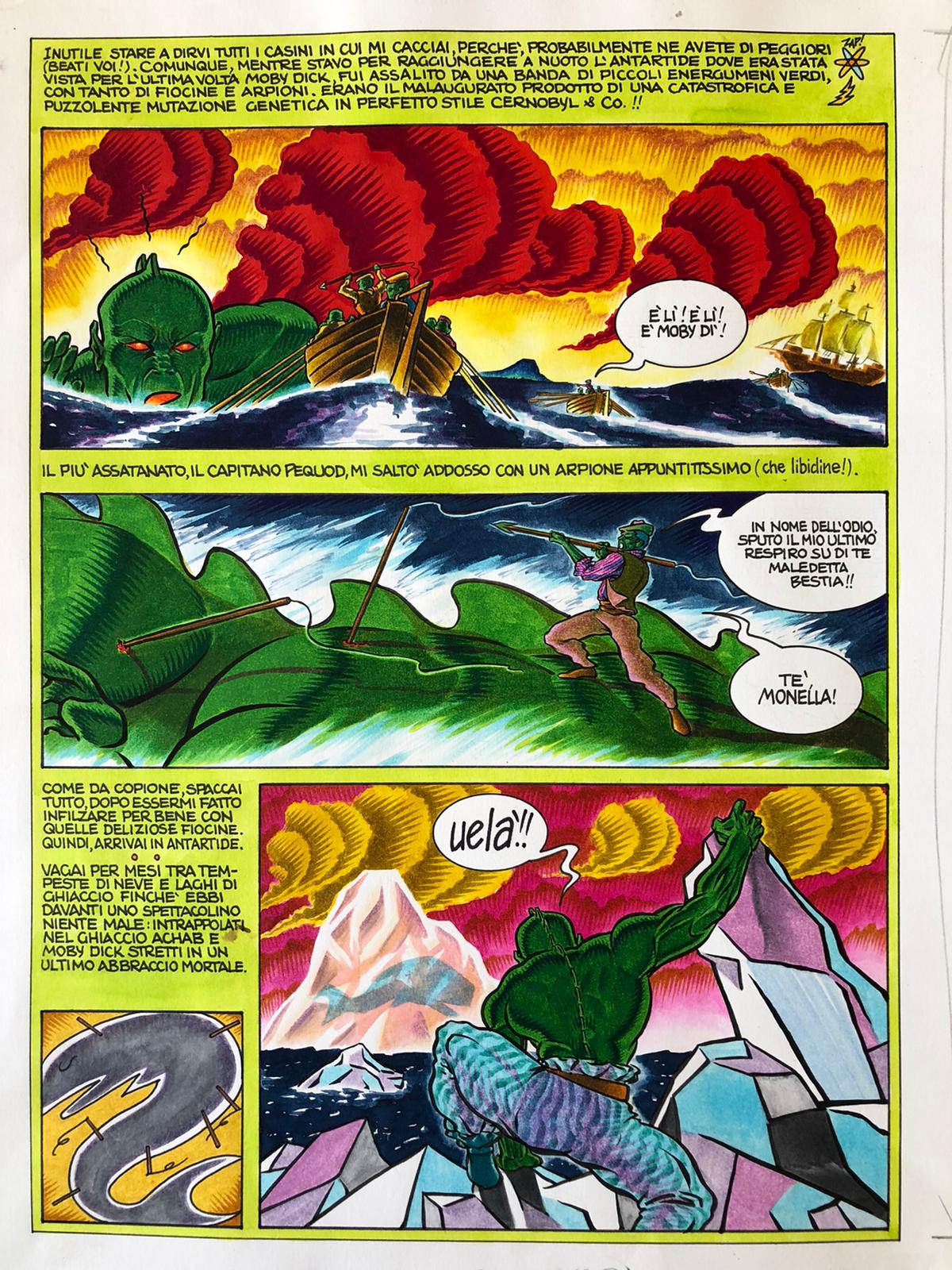
In 1986, Palumbo approached the Milan-based publisher Primo Carnera and published in Tempi Supplementari the color story Tosca la mosca and the first adventure of the tragicomic “first masochistic superhero,” Ramarro, later featured in Frigidaire.
Within a few years, he began collaborating with magazines such as Nuvola Bianca, Dolce Vita, Fuego, and Mondo Mongo, where comics interacted with other art forms. From 1990 he also taught at the Scuola del Fumetto in Milan and, the following year, co-founded the magazine Cyborg, where he published series such as Miracoli and Dream Master, as well as new Ramarro stories written by Brolli. At the same time, he worked for advertising agencies.
From 1994 to 2000, Palumbo served as special advisor to Phoenix Enterprise, coordinating numerous projects and reviving Tosca la Mosca in a successful erotic-comic miniseries.
In 1994 he also began collaborating with Sergio Bonelli Editore, drawing Martin Mystère in several special issues and publishing the self-authored story L’ora dei lupi in Comic Art.
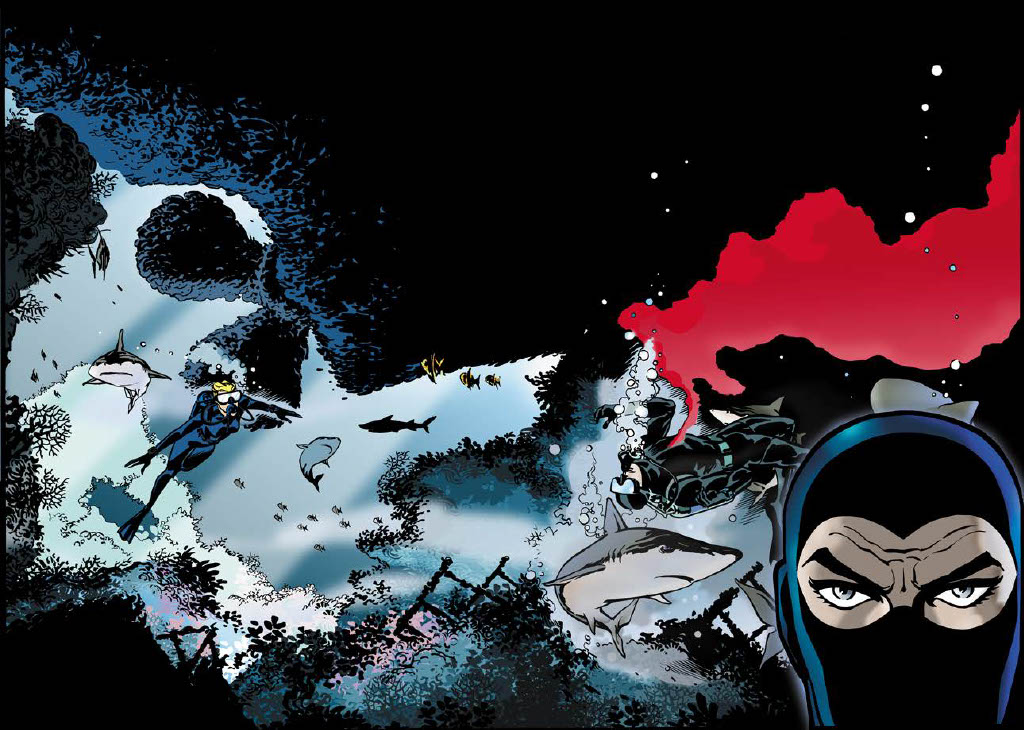
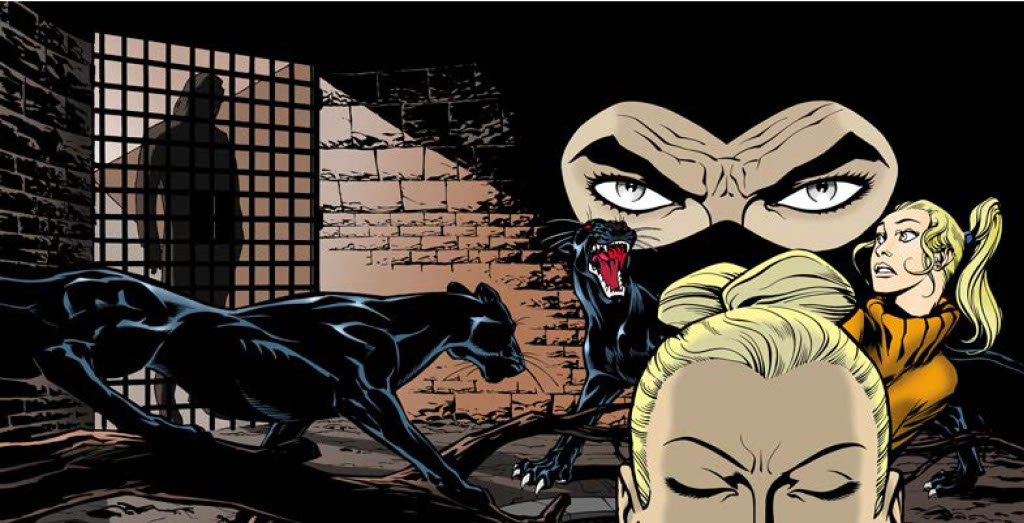
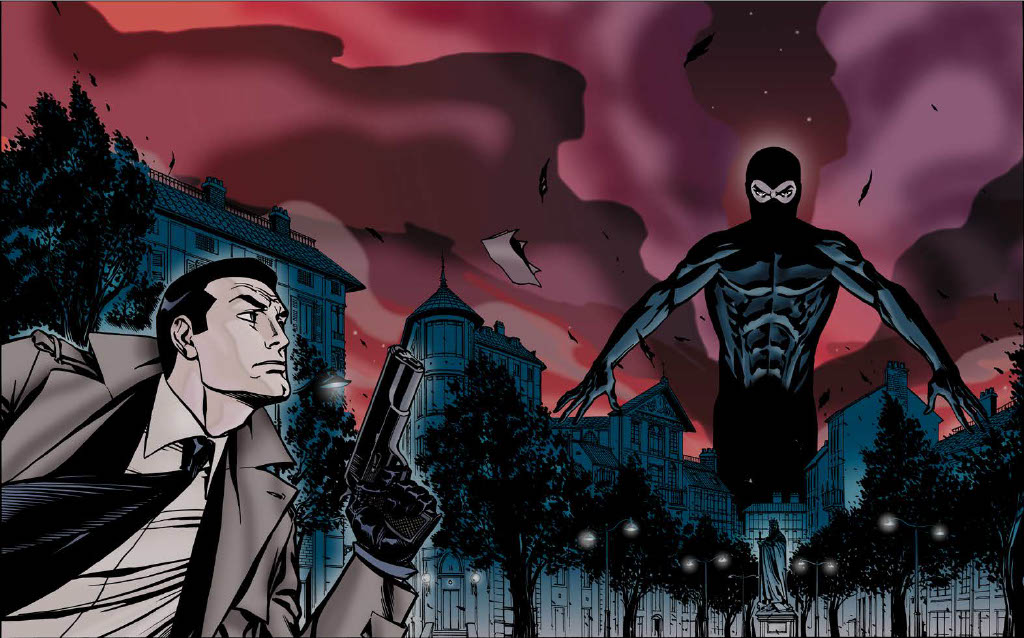
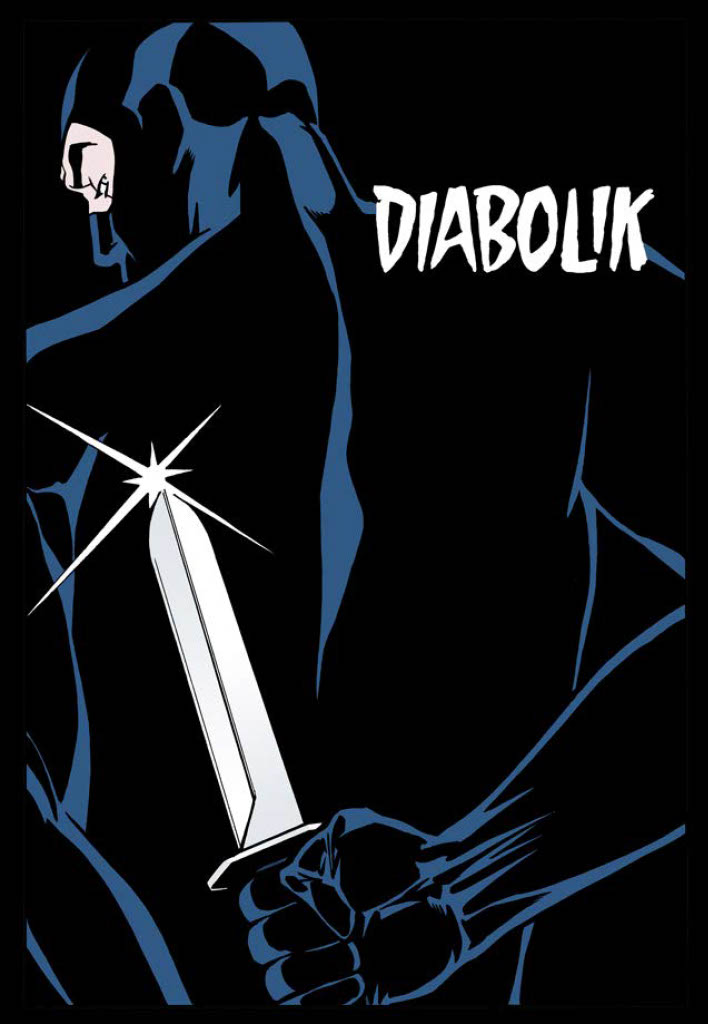
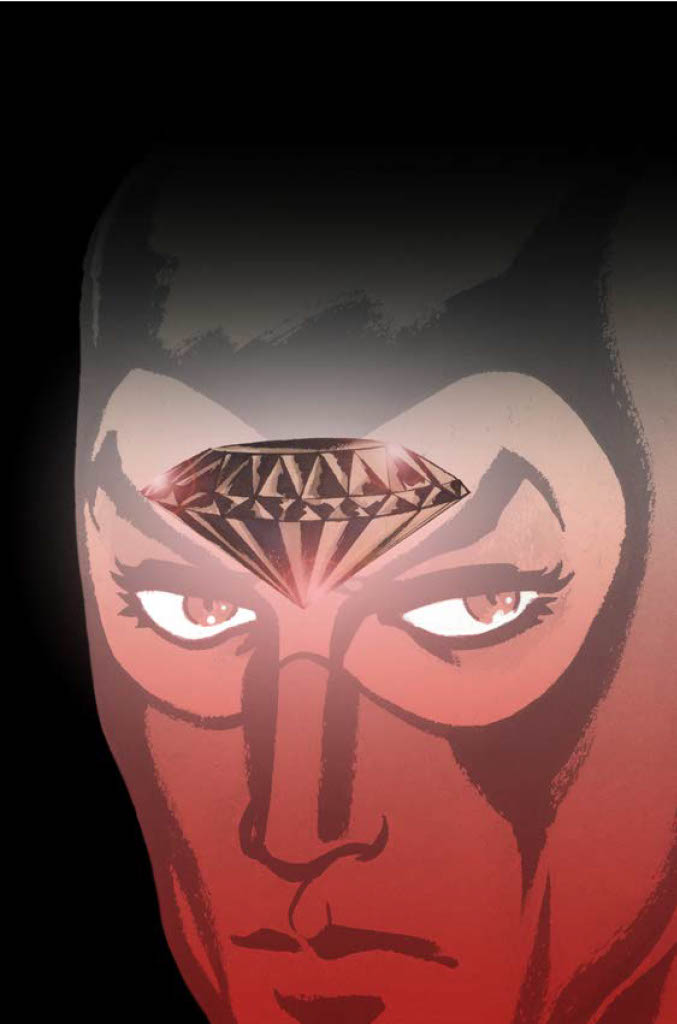
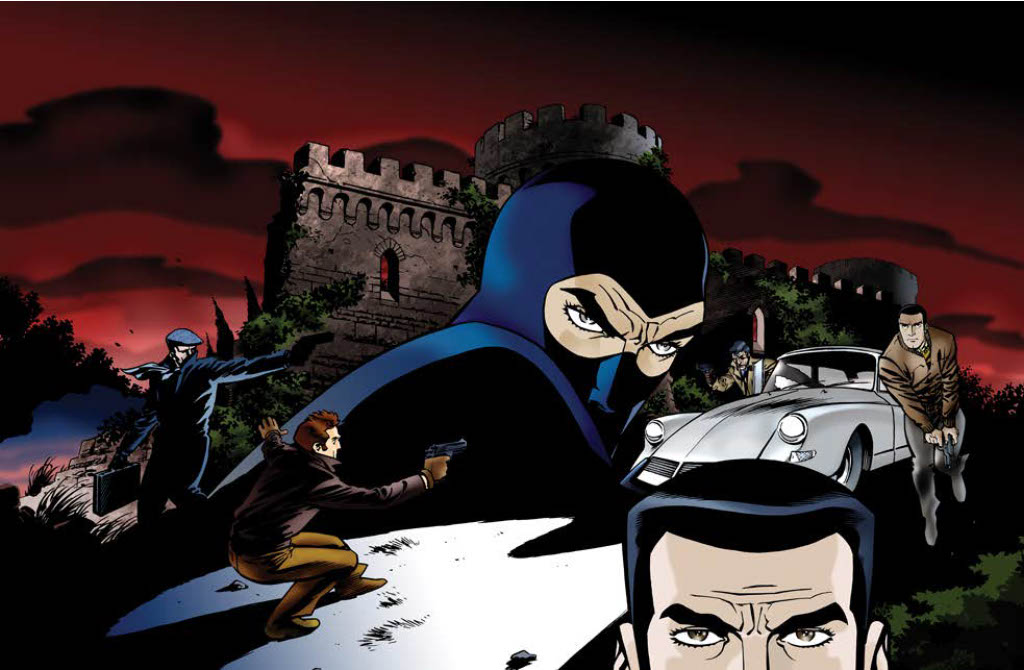
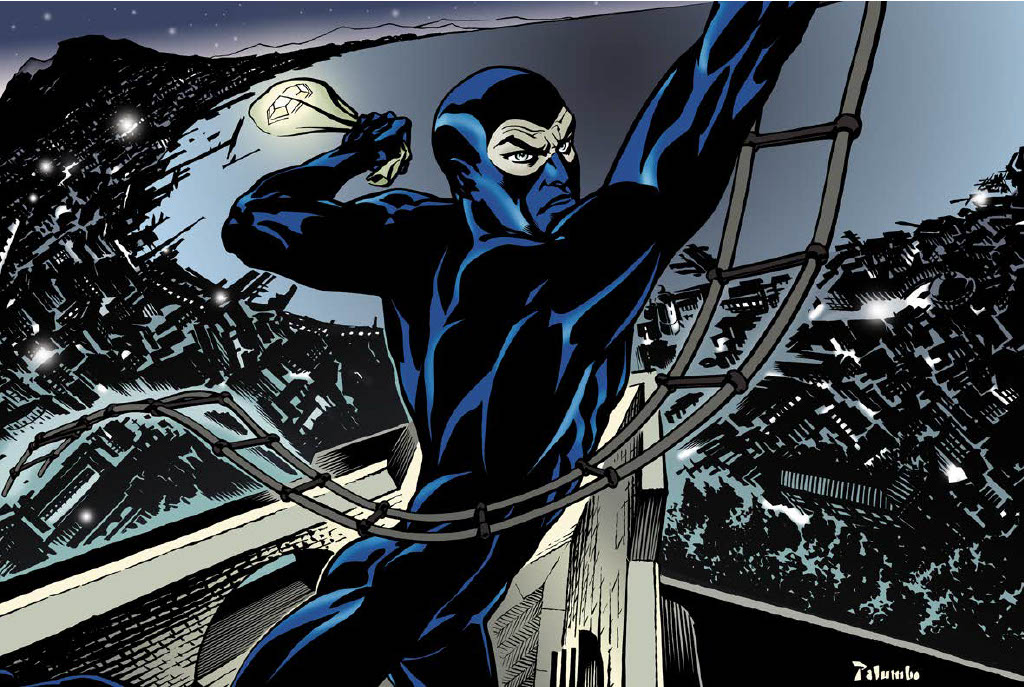
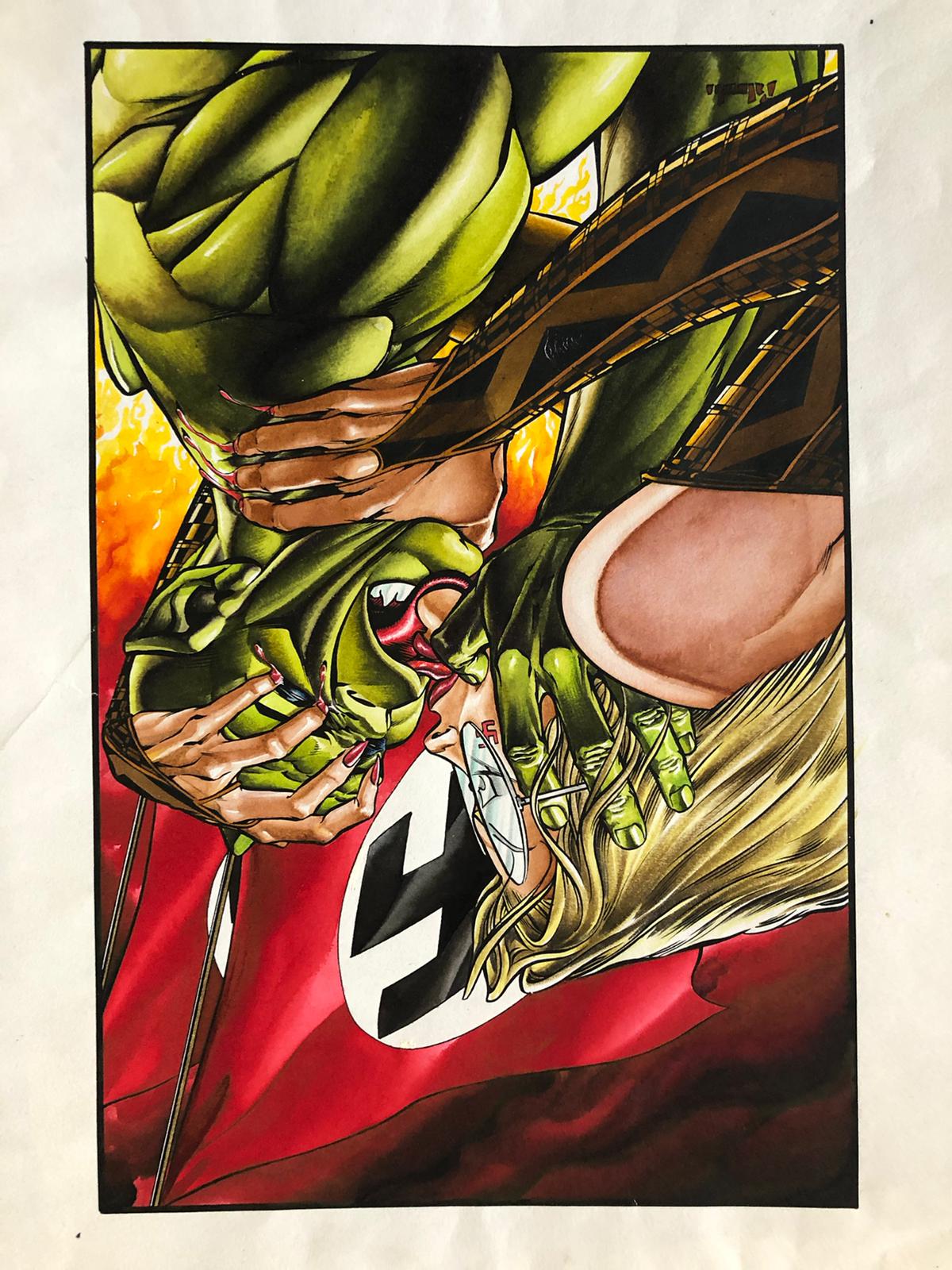
In 2002 he illustrated the large hardcover volume Il re del Terrore: il remake, scripted by Alfredo Castelli, celebrating the 40th anniversary of Diabolik. This marked the beginning of a long and fruitful collaboration with Astorina. His ability to blend macabre elements with irony and reinterpret tradition in a contemporary way was warmly received by readers.
That same year, he also created Lupin III – Una Revolver per Jigen for Kappa Edizioni, based on the character created by Monkey Punch.
In 2003 he expanded his work internationally with the travel diary Atene Minore and debuted in the French series Dédale (Les Humanoïdes Associés) with Salomé, written by Eric Prungnaud.
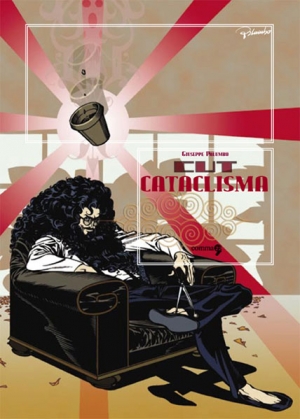
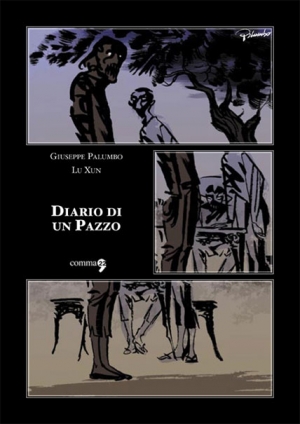
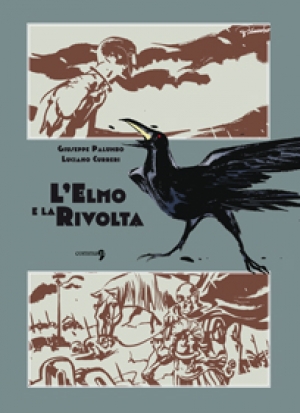
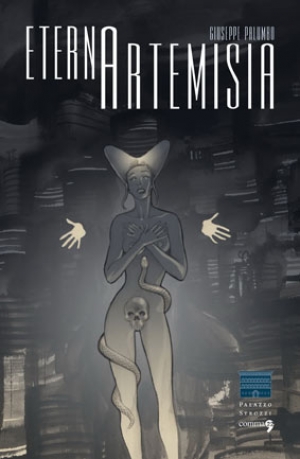
From 2005, the publisher Comma 22 dedicated an entire series to him, including Diario di un pazzo, Cut Cataclisma, EternArtemisia, Alea Metron, L’elmo e la rivolta, Una storia Lemming, and Tutto quello che non avreste mai voluto leggere… sul fotoromanzo.
He continued publishing graphic novels such as Tomka, il gitano di Guernica (2007) and Un sogno turco (2008), written respectively by Massimo Carlotto and Giancarlo De Cataldo.
His collaborations expanded further with works such as Sei tocchi di lame (2012), Uno si distrae al bivio (2013), I cruschi di Manzù (2014), and La visione di Mallet (2018).
Between 2016 and 2017, the biography Escobar – El Patrón (written by Guido Piccoli) was published internationally, followed by the anthology Ramarro – Guerre fredde.
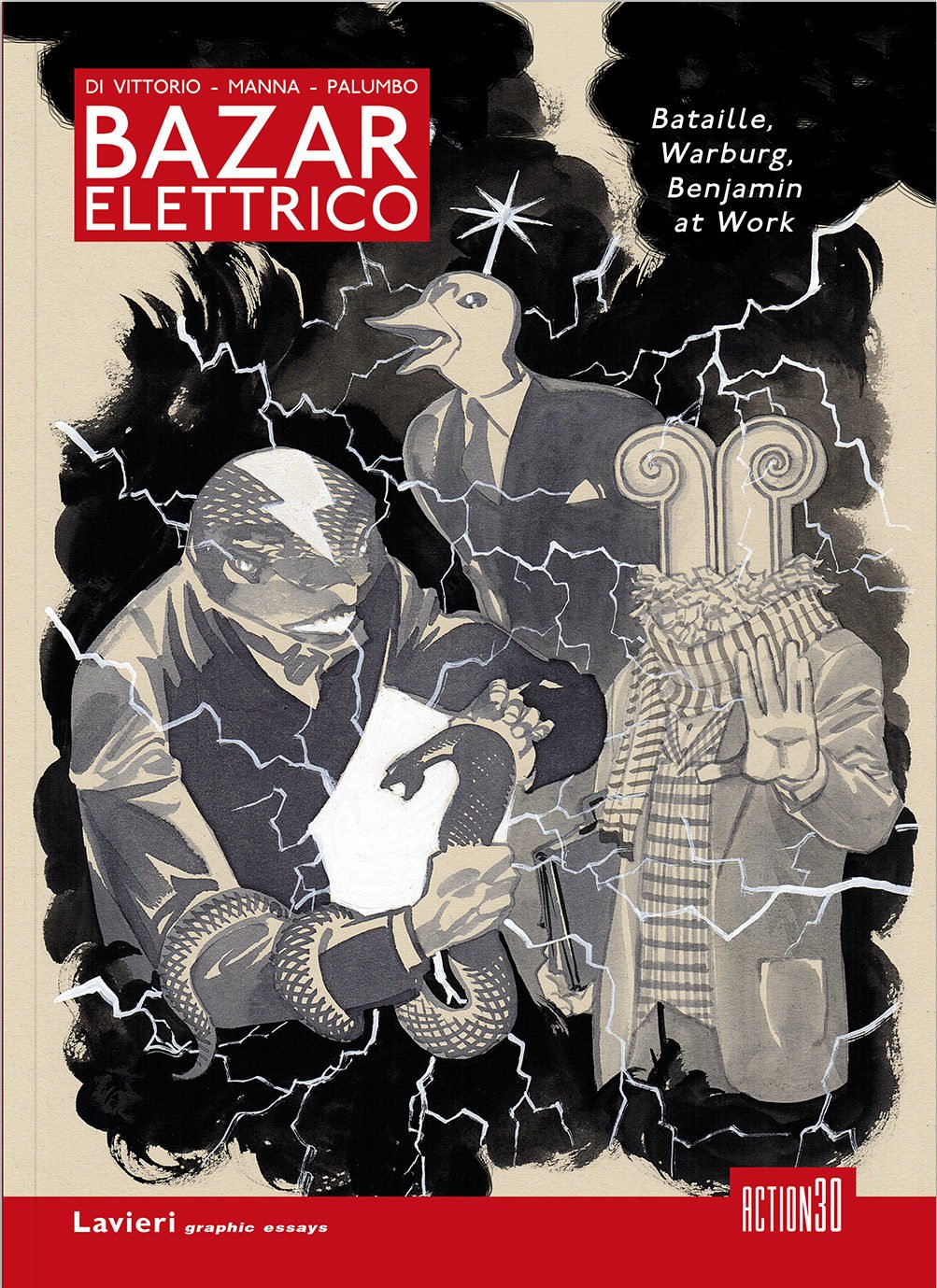
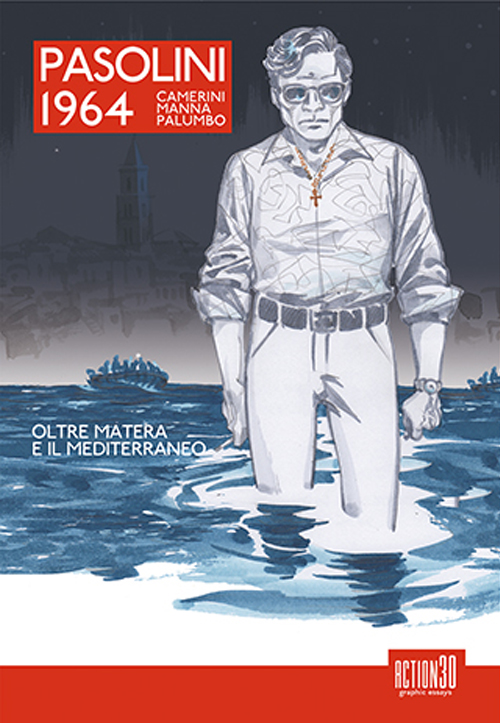
In 2017 he launched the Action30 Graphic Essays series with Bazar elettrico, followed by Pasolini 1964 (2020).
He also collaborated with Comics & Science (CNR), creating Archimede Infinito 2.0 and subsequent works.
In 2019 he created 16 possibili usi di un mausoleo for the project Fumetti nei Musei.
For Bonelli, he illustrated Il Confine (2020) and the “Texone” Sierrita Mountains (2024).
Between 2023 and 2024, he created La sola cura, a graphic biography of Ludovico Nicola di Giura, and published new self-produced works.
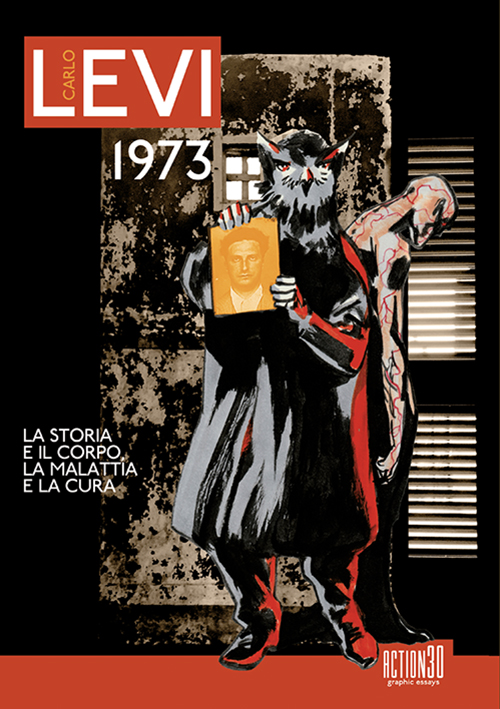
In 2025, he released Carlo Levi 1973, Bosco dei Sogni, and the anthology Lust.
His works have been translated into numerous languages worldwide.
An illustrated perspective
As an illustrator, Palumbo created covers for the Mondadori Gialli Junior series and, since 2003, for novels by Stefano Benni. He has collaborated with major Italian newspapers such as l’Unità, Il Manifesto, and Il Sole 24 Ore, as well as Slowfood Magazine.
In 2020 he illustrated books for Mondadori Oscar Ink, Eris Edizioni, Minerva, Pendragon, and Locus Publishing Taiwan. In 2021 he illustrated Caramelle dal cielo for Gallucci Editore.
Culture and teaching
Palumbo is art director of the studio Inventario aperto, co-founded with Barbara Ferri, and a founding member of the Action30 collective.
He has taught comics storytelling in Florence and Illustration at ISIA Urbino (2011–2024).
He is also active in philological and experimental projects such as Le Ombre Suicide and has created webcomics such as La Rosa e la Cenere.
Italian Awards
Palumbo has received numerous awards in Italy.
In 2024 he was awarded the ANAFI – Emil Banca Prize, the Romics d’Oro, and the Cygne d’Or.
In 2025, La sola cura won the ANAFI Readers’ Prize for Best Comic Book.
Loris Cantarelli